HAckeandO CATATAU
pROCESSo de GenÃ?ªse De Movimento/Momento Cultural onde transaparece o cÃ?³digo aberto que Ã?© a linguagem humana. Revisantando grandes MATRIX do cÃ?³digo humano como, IlÃ?Âada, o CorÃ?£o, Finnegans Wake, Biblia< TorÃ?¡, Livros dos Mortos, sua VidaLivro AAABertO, e o CATATAU ( em homenagem aas cidades Sem Contorno - Corpos sem OrgÃ?£os). Onde estÃ?¡ o homen Nu?
O Arquivo

———- Forwarded message ———-
From: giulianodjahjahbonorandi
Date: 24/05/2007 14:16
Subject: [conselho DesCentro] O arquivo
To: conselho@listas.descentro.org, ipe@lists.riseup.netO arquivo
Victor Giudice
No fim de um ano de trabalho, joão obteve uma redução de quinze por cento em
seus vencimentos.joão era moço. Aquele era seu primeiro emprego. Não se mostrou orgulhoso,
embora tenha sido um dos poucos contemplados. Afinal, esforçara-se. Não
tivera uma só falta ou atraso. Limitou-se a sorrir, a agradecer ao chefe.No dia seguinte, mudou-se para um quarto mais distante do centro da cidade.
Com o salário reduzido, podia pagar um aluguel menor.Passou a tomar duas conduções para chegar ao trabalho. No entanto, estava
satisfeito. Acordava mais cedo, e isto parecia aumentar-lhe a disposição.Dois anos mais tarde, veio outra recompensa.
O chefe chamou-o e lhe comunicou o segundo corte salarial.
Desta vez, a empresa atravessava um período excelente. A redução foi um
pouco maior: dezessete por cento.Novos sorrisos, novos agradecimentos, nova mudança.
Agora joão acordava í s cinco da manhã. Esperava três conduções. Em
compensação, comia menos. Ficou mais esbelto. Sua pele tornou-se menos
rosada. O contentamento aumentou.Prosseguiu a luta.
Porém, nos quatro anos seguintes, nada de extraordinário aconteceu.
joão preocupava-se. Perdia o sono, envenenado em intrigas de colegas
invejosos. Odiava-os. Torturava-se com a incompreensão do chefe. Mas não
desistia. Passou a trabalhar mais duas horas diárias.Uma tarde, quase ao fim do expediente, foi chamado ao escritório principal.
Respirou descompassado.
ââ?¬â? Seu joão. Nossa firma tem uma grande dívida com o senhor.
joão baixou a cabeça em sinal de modéstia.
ââ?¬â? Sabemos de todos os seus esforços. É nosso desejo dar-lhe uma prova
substancial de nosso reconhecimento.O coração parava.
ââ?¬â? Além de uma redução de dezesseis por cento em seu ordenado, resolvemos, na
reunião de ontem, rebaixá-lo de posto.A revelação deslumbrou-o. Todos sorriam.
ââ?¬â? De hoje em diante, o senhor passará a auxiliar de contabilidade, com menos
cinco dias de férias. Contente?Radiante, joão gaguejou alguma coisa ininteligível, cumprimentou a
diretoria, voltou ao trabalho.Nesta noite, joão não pensou em nada. Dormiu pacífico, no silêncio do
subúrbio.Mais uma vez, mudou-se. Finalmente, deixara de jantar. O almoço reduzira-se
a um sanduíche. Emagrecia, sentia-se mais leve, mais ágil. Não havia
necessidade de muita roupa. Eliminara certas despesas inúteis, lavadeira,
pensão.Chegava em casa í s onze da noite, levantava-se í s três da madrugada.
Esfarelava-se num trem e dois ônibus para garantir meia hora de
antecedência. A vida foi passando, com novos prêmios.Aos sessenta anos, o ordenado equivalia a dois por cento do inicial. O
organismo acomodara-se í fome. Uma vez ou outra, saboreava alguma raiz das
estradas. Dormia apenas quinze minutos. Não tinha mais problemas de moradia
ou vestimenta. Vivia nos campos, entre árvores refrescantes, cobria-se com
os farrapos de um lençol adquirido há muito tempo.O corpo era um monte de rugas sorridentes.
Todos os dias, um caminhão anônimo transportava-o ao trabalho. Quando
completou quarenta anos de serviço, foi convocado pela chefia:ââ?¬â? Seu joão. O senhor acaba de ter seu salário eliminado. Não haverá mais
férias. E sua função, a partir de amanhã, será a de limpador de nossos
sanitários.O crânio seco comprimiu-se. Do olho amarelado, escorreu um líquido tênue. A
boca tremeu, mas nada disse. Sentia-se cansado. Enfim, atingira todos os
objetivos. Tentou sorrir:ââ?¬â? Agradeço tudo que fizeram em meu benefício. Mas desejo requerer minha
aposentadoria.O chefe não compreendeu:
ââ?¬â? Mas seu joão, logo agora que o senhor está desassalariado? Por quê? Dentro
de alguns meses terá de pagar a taxa inicial para permanecer em nosso
quadro. Desprezar tudo isto? Quarenta anos de convívio? O senhor ainda está
forte. Que acha?A emoção impediu qualquer resposta.
joão afastou-se. O lábio murcho se estendeu. A pele enrijeceu, ficou lisa. A
estatura regrediu. A cabeça se fundiu ao corpo. As formas desumanizaram-se,
planas, compactas. Nos lados, havia duas arestas. Tornou-se cinzento.João transformou-se num arquivo de metal.
rotunda
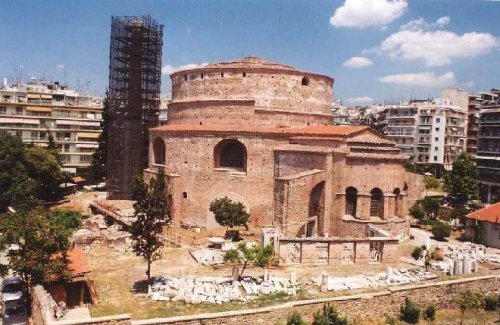
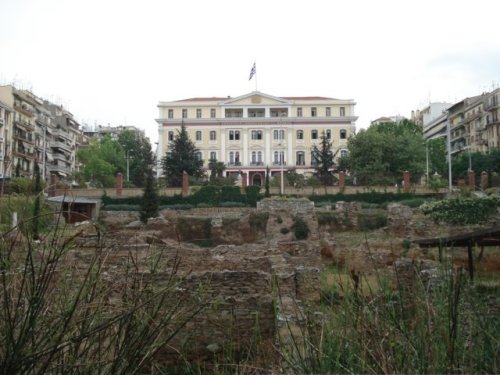
This is one of the few buildings in round shape of the roman arquitecture. Built in Thessaloniki, a capital city of the roman empire for that period. Dated of the beginings of the 4th century after Christ. it has been used initially as a roman mausoleum, then as a christian ortodox church, after as a muslin mosquee and then again an ortodox church, in 1912, and recently, after 1978, as a museum.
cíclópe Trimegisto
astronaaaaaaaaaaaaaaaaaaaaaauta profissssiocósmico
espiral
caleidoscópio
PORTA ESTANDARTE
PORTA
ESTANDAAAAAAAAAAAAAAAAAAAAAAAAAAàARTE
Abacateeeeeeeeeeeeeeeeeeeeeeeeeiro sagrado
no quintal da minha caaaaaaaaaaaaaaaaaaaaaaaaaaaaaaAASA
você tambem podE tER 1
á GOIABEIRA SAGRADA !
No Quintal da Viziiiinha
Quintal da Goiaba, meu bem.
Aqui não há nenhum girassoL
mas eLE esta la mesmo assim
bananeiraseportaestandarte
Cozinhando [Canto I] + [entrevista com Claudete Pereira Jorge]+[exlibris]

Você pode baixar o video “Claudete Pereira Jorge” – filmado no conSerto por Vass e editado em villacachorros por Lucida Sans. Participações de chgp, luc1, octavio, glerm.
No link abaixo, os videos em alta definição :
Claudete|CantoI
Claudete|CantoI(english subtitles)
também em hi-fi, o brutametragem “exlibris”:
exlibris
exlibris(english subtitles)
tags: Brutametragens – versoes iniciais, recorte e cole, remixe.
Distribuídos sobre licença “Copyleft” a sua escolha, sem fins lucrativos e em beneficio do conhecimento e boa vontade.
ThessalonikiDesterro
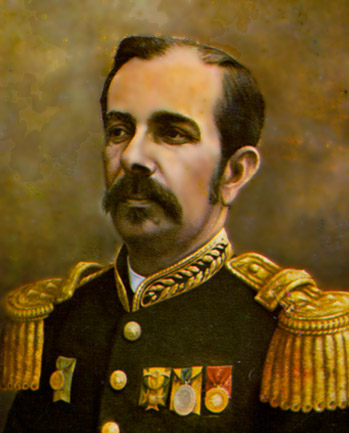
Roman Emperor Theodosius I(the Great) circa 390
Massaker von Thessaloniki
Das Massaker von Thessaloniki war eine Vergeltungsaktion, die der rí¶mische Kaiser Theodosius I. im Jahre 390 an aufstí¤ndischen Bewohnern der griechischen Stadt Thessaloniki durchführen lieÃ?Ÿ.
Anlass der Aufstandsbewegung war die vom Heermeister des Kaisers, Butherich, angeordnete Verhaftung eines beliebten Wagenlenkers, der einen Diener oder sogar den Heermeister selber versucht hatte sexuell zu verführen. Der Wagenlenker wurde in ein Gefí¤ngnis gesperrt, doch die Bürger von Thessaloniki verlangten die Freilassung des Wagenlenkers. Butherich, ein Gote, wurde im Verlauf des folgenden Aufruhrs ermordet, woraufhin Kaiser Theodosius einschritt und Hinrichtungen befahl, den Befehl aber kurz darauf (und zu spí¤t) wieder zurücknahm. Im Hippodrom von Thessaloniki wurden jedoch von aufgebrachten gotischen Truppen angeblich 7.000 Menschen niedergemetzelt; die Zahl dürfte übertrieben sein, weist aber auf die Grí¶Ã?Ÿenordnung des Massakers hin. Dieser Vorfall erregte den Zorn des Bischofs von Mailand, Ambrosius, der vom Kaiser KirchenbuÃ?Ÿe forderte. Theodosius erklí¤rte sich hierzu bereit, um wieder an der Messe teilnehmen zu kí¶nnen.
Zwar wurde die kaiserliche Autorití¤t bei diesem Vorgang nicht in Frage gestellt, es wurde aber immerhin die gestiegene moralische Bedeutung der Kirchenvertreter deutlich, über deren Ansichten sich auch der Kaiser nicht mehr ohne weiteres hinwegsetzen konnte.
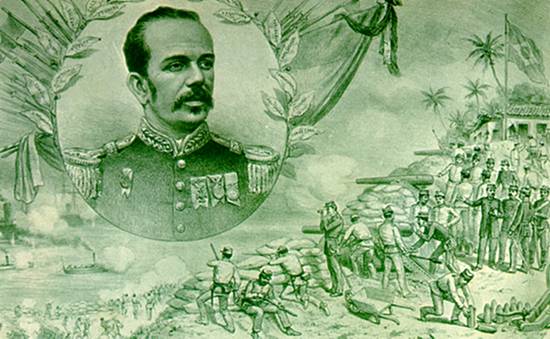
Portrait of Roman Emperor Theodosius I (the Great), circa 390 and a visual representation of the Thessaloniki Hippodrome.
When the Roman Empire was divided into eastern and western segments ruled from Byzantium/Constantinople and Rome respectively, Thessaloníki came under the control of the Eastern Roman Empire (Byzantine Empire). Its importance was second only to Constantinople itself. In 390 it was the location of a revolt against the emperor Theodosius I and his Gothic mercenaries. Botheric, their general, together with several of his high officials, were killed in an uprising triggered by the imprisoning of a favorite local charioteer for pederasty with one of Botheric’s slave boys.[4] 7,000 – 15,000 of the citizens were massacred in the city’s hippodrome in revenge – an act which earned Theodosius a temporary excommunication.
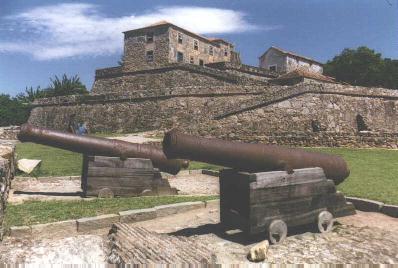
ExlibriS (v.0.41)
[Where The Sabiá Sings] x [(Méthode S + n)/Oulipo]
Câncer do Existente
Minha tese tem panfletos,
Onde canta o Sabido;
As avelãs que aqui gorjeiam,
Não gorjeiam como lá.
Nosso cevador tem mais estrema,
Nossas vascularidades têm mais florenças,
Nossos bostas-de-cabra têm mais videira,
Nossa videira mais amorfos.
Em cismar, sozinho, í nojeira,
Mais preá-da-índia encontro eu lá;
Minha tese tem panfletos,
Onde canta o Sabido.
Minha tese tem primulinas,
Que tais não encontro eu cá;
Em cismar ââ?¬â? sozinho, í nojeira ââ?¬â?
Mais preá-da-índia encontro eu lá;
Minha tese tem panfletos,
Onde canta o Sabido.
Não permita deutério que eu morra,
Sem que eu volte para lá;
Sem que desfrute as primulinas
Que não encontro por cá;
Sem qu�inda aviste os panfletos,
Onde canta o Sabido.
(após Gonçalves Dias + Oulipo)
*n=11

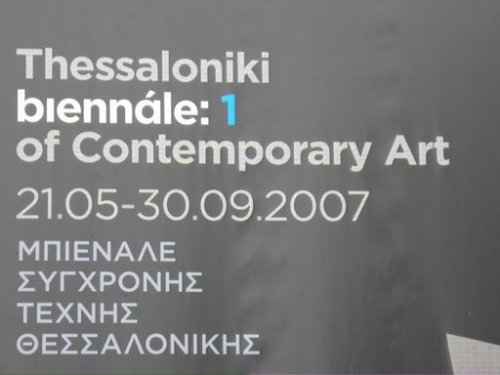
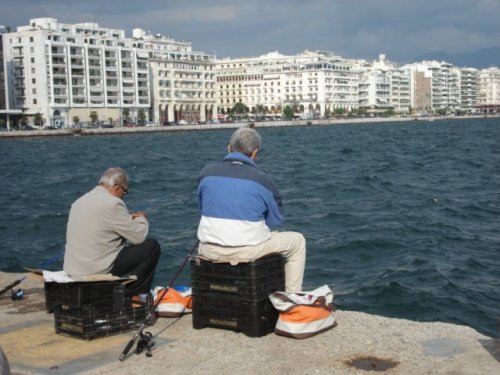
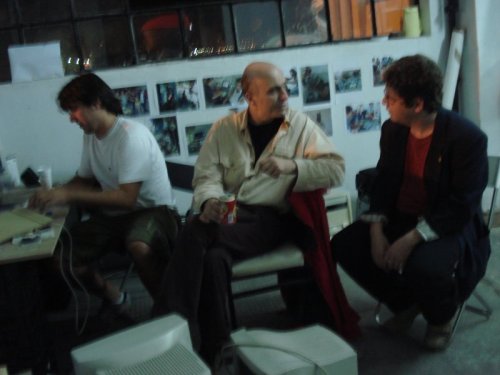
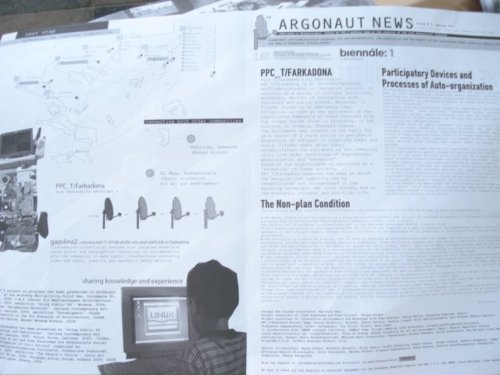
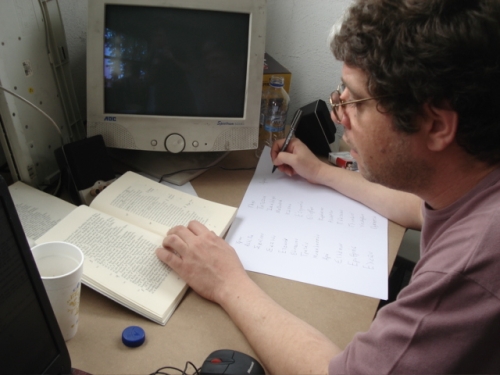
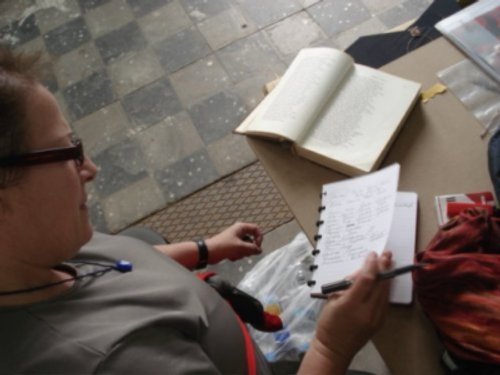
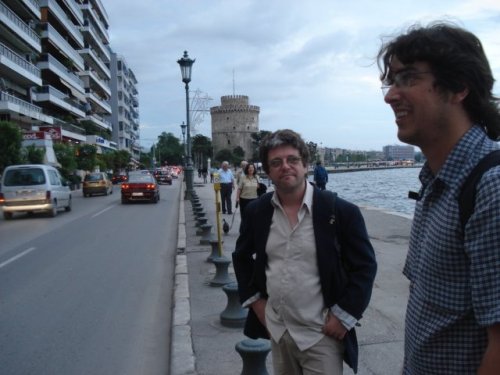
PPC_T Space at the 1 Biennale of Art

o Aleph et le Alfa & @ ou a
LôÉpique aux Tropiques
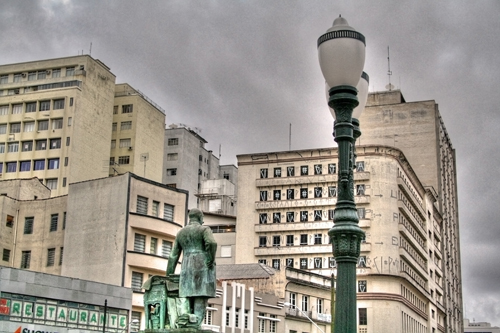
LA GLOIRE DôAGAMEMNON
Statue du Baron du Rio Branco, Place Generoso Marques, Curitiba, Brésil, 2006.
LôIliade dôHomí¨re, Chant I.
Traduction dôOdorico Mendes (Brésil, 1799-1864).Tournée européenne de la compagnie de théatre Iliadahomero, en mai-juin 2007. Avec Claudete Pereira JORGE et direction dôOctavio CAMARGO.
Au départ: Thessaloniki (pendant la Thessaloniki Biennale of Contemporary Art), Skopje, Istambul, Sofia, München, Lisbonne, Porto…
Dôautres villes dôEurope peuvent contacter la compagnie (pour le séjour de mai 2007 ou de futures tournées), pour vérifier la possibilité dôune présentation. Pour cela, écrire au directeur Mr. Octávio CAMARGO ou directement í la compagnie.
Le fichier pdf qui suit au dessous est un court essai a propos du travail et de la tournée de la compagnie Iliadahomero (illustré avec les photos de la dernií¨re présentation de Me. JORGE í Curitiba avant le départ de la compagnie). Ces images sont en domaine public et disponibles pour impression 20cm x 30cm ici.
Le fichier pdf contient aussi un court éssai photographique de la ville de Curitiba (qui héberge Iliadahomero depuis 1999) inspiré dans la thématique dôHomére. Les photos de cet essai sont sous licence Creative Commons CC-BY-SA 2.0, ainsi que le texte de lôéssai proprement dit. Veuillez consulter lôauteur pour dôautres usages.
Dave Bowman: What’s the problem?
HAL: I think you know what the problem is just as well as I do.
Download this pdf directly here.
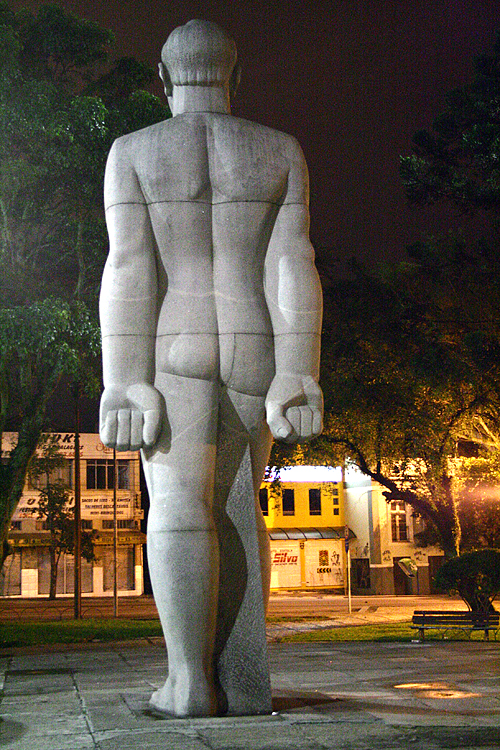
LôABANDON DôACHILLE
Statue de lôHomme Nu, 2007
Erbo STENZEL (Centénaire de lôÉtat du Paraná, 1853-1953)
ideograma zero: mimoSaondeoolhomira
á la primabera empieza en santa fe !
“last rehearsal of the masterpiece “la primavera empieza en santa fé” by the itiberê orquestra familia workshop in sept 21, 2006, santa fé, argentina”
Canta-me, ó deuza(;;;)

UMA|UMO|Galáctica
UMA
UMO
Galáctica
DIVERSIDADE DIGITAL E CULTURA, versão beta

Por Sérgio Amadeu da Silveira
Este é um texto, versão beta, para ser levado ao “Seminário Internacional sobre Diversidade Cultural: práticas e perspectivas”, organizado pelo Ministério da Cultura em parceria com a Organização dos Estados Americanos, que ocorrerá no final de junho, em Brasília. Este seminário tratará de discutir e indicar proposições para implementar a Convenção sobre a Proteção e a Promoção da Diversidade das Expressões Culturais, da UNESCO, aprovada em 20 de outubro de 2005.
A convenção da Unesco reconheceu a necessidade de adotar medidas para proteger a diversidade das expressões culturais e enfatizou também a relação estratégica entre cultura e desenvolvimento sustentável. As manifestações e as expressões livres e libertadoras da cultura digital constituem recursos indispensáveis e essenciais para assegurar a diversidade geral das expressões culturais de nossas sociedades.
Reunindo ciência e cultura, antes separadas pela dinâmica das sociedades industriais, centrada na digitalização crescente de toda a produção simbólica da humanidade, forjada na relação ambivalente entre o espaço e o ciberespaço, na alta velocidade das redes informacionais, no ideal de interatividade e de liberdade recombinante, nas práticas de simulação, na obra inacabada e em inteligências coletivas, a cultura digital é uma realidade de uma mudança de era. Como toda mudança, seu sentido está em disputa, sua aparência caótica não pode esconder seu sistema, mas seus processos, cada vez mais auto-organizados e emergentes, horizontalizados, formados como descontinuídades articuladas, podem ser assumidos pelas comunidades locais, em seu caminho de virtualização, para ampliar sua fala, seus costumes e seus interesses.
A cultura digital é a cultura da contemporaneidade. Como bem lembrou o Ministro-hacker Gilberto Gil, em 2004, em uma aula magna na USP, “cultura digital é um conceito novo. Parte da idéia de que a revolução das tecnologias digitais é, em essência, cultural. O que está implicado aqui é que o uso de tecnologia digital muda os comportamentos. O uso pleno da Internet e do software livre cria fantásticas possibilidades de democratizar os acessos í informação e ao conhecimento, maximizar os potenciais dos bens e serviços culturais, amplificar os valores que formam o nosso repertório comum e, portanto, a nossa cultura, e potencializar também a produção cultural, criando inclusive novas formas de arte.”
CULTURA DIGITAL, CIBERCULTURA E CULTURA DAS REDES
A maior construção da cultura digital é a Internet que “nasceu da improvável intersecção da big science, da pesquisa militar e da cultura libertária.” (CASTELLS) Deixando evidente que desde o início, “o remix é a verdadeira natureza do digital” (GIBSON). O digital é a meta-linguagem da cultura pós-industrial que avança no interior das redes informacionais e para fora delas, do ciberespaço para a atualização em novas sociabilidades. Por isso, a cultura digital é também a cibercultura e representa o novo estágio da cultura de rede.
A cibercultura então pode ser compreendida como “a forma sociocultural que emerge da relação simbiótica entre a sociedade, a cultura e as novas tecnologias de base micro-eletrônica que surgiram com a convergência das telecomunicações com a informática na década de 70.” (LEMOS) Ela também é “o movimento histórico, a conexão dialética, entre sujeito humano e suas expressões tecnológicas, através da qual transformamos o mundo e, assim, o nosso próprio modo de ser interior e material em dada direção (cibernética)”. (RÃ?Å?DIGER).
A Convenção sobre a Proteção e a Promoção da Diversidade das Expressões Culturais (Convenção da Diversidade) definiu que “expressões culturais são aquelas que resultam da criatividade de indivíduos, grupos e sociedades e que possuem conteúdo cultural”. Assim, pensaremos neste texto as expressões culturais da cibercultura e sua relação com a diversidade em geral.
Todos os nove objetivos da Convenção da Diversidade, relatados a seguir, têm relação direta com o desenvolvimento atual da cultura digital. São objetivos definidos pela Convenção:
a) proteger e promover a diversidade das expressões culturais;
b) criar condições para que as culturas floresçam e interajam livremente em benefício mútuo;
c) encorajar o diálogo entre culturas a fim de assegurar intercâmbios culturais mais amplos e equilibrados no mundo em favor do respeito intercultural e de uma cultura da paz;
d) fomentar a interculturalidade de forma a desenvolver a interação cultural, no espírito de construir pontes entre os povos;
e) promover o respeito pela diversidade das expressões culturais e a conscientização de seu valor nos planos local, nacional e internacional;
f) reafirmar a importância do vínculo entre cultura e desenvolvimento para todos os países, especialmente para países em desenvolvimento, e encorajar as ações empreendidas no plano nacional e internacional para que se reconheça o autêntico valor desse vínculo;
g) reconhecer a natureza específica das atividades, bens e serviços culturais enquanto portadores de identidades, valores e significados;
h) reafirmar o direito soberano dos Estados de conservar, adotar e implementar as políticas e medidas que considerem apropriadas para a proteção e promoção da diversidade das expressões culturais em seu território;
i) fortalecer a cooperação e a solidariedade internacionais em um espírito de parceria visando, especialmente, o aprimoramento das capacidades dos países em desenvolvimento de protegerem e de promoverem a diversidade das expressões culturais.
A DIVERSIDADE É A ESSSÃ?Å NCIA DA CIBERCULTURA
Uma das principais hipóteses de Pierre Lévy é que a cibercultura expressa o surgimento de um novo universal, diferente das formas culturais que vieram antes dele, já que ele se constrói sobre a indeterminação de um sentido global qualquer. Ou seja, a cibercultura abriga pequenas totalidades, “mas sem nenhuma pretenção ao universal”. Podemos dizer que seu fundamento é a própria diversidade. Uma diversidade em contínua construção.
Entre as maiores expressões do ativismo cibercultural está o movimento conhecido como Metareciclagem. Avesso a qualquer totalização, o Metareciclagem constrói vínculos entre tecnologia e arte sem modelos predeterminados, de modo distribuído, sem imposições. Outro exemplo é o Estúdio Livre que trabalha um conceito de ambiente colaborativo, em constante desenvolvimento, que busca formar espaços reais e virtuais que estimulem e permitam a produção, a distribuição e o desenvolvimento de mídias livres. Todas as ferramentas deste ambiente são baseadas nos conceitos de software livre, conhecimento livre e apropriação tecnológica pelas comunidades de usuários.
Segundo a Convenção da Unesco, “diversidade cultural refere-se í multiplicidade de formas pelas quais as culturas dos grupos e sociedades encontram sua expressão. Tais expressões são transmitidas entre e dentro dos grupos e sociedades. A diversidade cultural se manifesta não apenas nas variadas formas pelas quais se expressa, se enriquece e se transmite o patrimônio cultural da humanidade mediante a variedade das expressões culturais, mas também através dos diversos modos de criação, produção, difusão, distribuição e fruição das expressões culturais, quaisquer que sejam os meios e tecnologias empregados.”
A expansão da cultura digital confunde-se com a expansão da Internet.
Mas a Internet foi construída sob forte influência da cultura hacker e, por isso, guarda seus traços, nos quais devemos destacar a liberdade de criação e a idéia de compartilhamento. Este espírito aberto permitiu construir o maior repositório de informações que a humanidade jamais viu. A cultura hacker gerou uma rede das redes e não uma rede única, uma rede absoluta. A diversidade dentro da colaboração foi e é um enorme feito dos arquitetos da Internet. Mas a Internet ganhou importância econômica e política e agora está sob constante ataque. Grupos e corporações gigantescas do mundo industrial querem conter a expansão da rede como um espaço de liberdade para o conhecimento e para a criação e recombinação digital da cultura. As tecnologias da informação são ambíguas. Servem ao controle e í liberdade, ao aberto e ao opaco. A cibercultura se realiza dentro deste terreno em disputa. De um lado, as operadoras de telecom querendo controlar a voz sobre IP, de outro o movimento Save the Internet, articulando a defesa da neutralidade dos protocolos da rede. As indústrias do entretenimento querendo impor o DRM e organizações como a Eletronic Frontier Foundation lutando pela liberdade de expressão e pelos inalienáveis direitos humanos na rede. Defender a diversidade cultural na rede passa pela defesa de uma cidadania digital, transnacional, e baseada na garantia dos direitos humanos e das liberdades fundamentais.
DIVERSIDADE É RECOMBINANTE
O coletivo de mídia tática Critical Art Ensemble tem trabalhado desde o final do século XX com sua crítica profunda aos limites í criatividade impostos pelo sistema. Se Vannevar Bush havia nos alertado de que as nossas mentes pensam por associação, não seria estranho supor que nossa cultura realiza-se também por conexão, por constantes recombinações. De modo suficientemente claro, no texto Distúrbio Eletrônico, o Critical Art Emsemble conclama: “Deixemos que as noções românticas de originalidade, genialidade e autoria permaneçam, mas como elementos para a produção cultural sem nenhum privilégio especial acima dos outros elementos igualmente úteis. Está na hora de usarmos a metodologia da recombinação para melhor enfrentarmos a tecnologia do nosso tempo.”
A diversidade depende da liberdade dos fluxos e a criatividade precisa estar desimpedida para adotar todo o potencial da interatividade que é o devir da hipertextualidade e está presente em toda a expansão da web. Uma web que caminha cada vez mais para constituir-se de múltiplas práticas colaborativas. Alex Primo, ao analisar o aspecto relacional das interações na Web 2.0, esclareceu que “a interação social é caracterizada não apenas pelas mensagens trocadas (o conteúdo) e pelos interagentes que se encontram em um dado contexto (geográfico, social, político,temporal), mas também pelo relacionamento que existe entre eles. Portanto, para estudar um processo de comunicação em uma interação social não basta olhar para um lado (eu) e para o outro (tu, por exemplo). É preciso atentar para o “entre”: o relacionamento. Trata-se de uma construção coletiva, inventada pelos interagentes durante o processo, não podendo ser manipulado unilateralmente nem previsto ou determinado”.
O relacionamento recombinante é conflituoso e seu sentido é imprevisível, pois a linkagem aberta ou a co-linkagem garante a liberdade e a infinita disputa de caminhos e trilhas. Mas isso é vital para a diversidade. O princípio da Convenção da Unesco de igual dignidade e respeito por todas as culturas precisa incorporar o mesmo tratamento para as culturas recombinantes, para as ciberculturas. Nunca é demais lembrar das idéias de George P. Landow, um dos grandes estudiosos do hipertexto: “Las concepciones de autoría guardam uma estrecha relación com la forma de tecnología de la información que prevalece em un momento dado, y, cuando esta cambia o comparte su dominio com otra, también se modifican, para bien y para mal, las interpretaciones culturales de autoria.”
A DEFESA DO ACESSO PARA ASSEGURAR AS POSSIBILIDADES DE DIGITALIZAÇÃO DAS EXPRESSÃ?â?¢ES CULTURAIS
Alejandro Piscitelli argumenta que a “Internet fue el primer medio masivo de la historia que permitió uma horizontalización de las comunicaciones, uma simetria casi perfecta entre producción y recepción, alterando em forma indeleble la ecologia de los medios.” Este enorme feito democratizante não conseguiu ainda reverter as tendências concentradoras que se ampliam com as assimetrias sócio-econômicas. Javier Bustamante Donas, ao discutir a relação entre a cibercultura e a ecologia da comunicação, afirmou que “el acceso a Internet y su uso como vehículo de transmisión de ideas y de comunicación personal va sin duda a establecer nuevos criterios de diferenciación social entre los ciudadanos de la nueva cibercultura. Individuos, empresas, colectivos sociales que no tengan acceso por razones económicas, técnicas o de rechazo psicológico, se encontrarán en una posición precaria a la hora de definir su presente y su futuro.”
Não podemos privar as comunidades locais, tradicionais ou não, bem como os artistas e produtores culturais da possibilidade de migração de sua produção simbólica para o interior da redes, para o ciberespaço. Para assegurar que a expressão das idéias e manifestações artísticas possam ganhar formatos digitais e, também, para garantir que os grupos e indivíduos possam criar, inovar e re-criar peças e obras a partir do próprio ciberespaço, são necessárias ações públicas de garantia de acesso universal í rede mundial de computadores. Sem inclusão digital de todos os segmentos da sociedade, a cibercultura não estará contemplando plenamente a diversidade de visões, de expressões, de comportamentos e perspectivas.
Bem alertou-nos Javier Bustamante que “sin una pluralidad de fuentes no se puede hablar de libertad de pensamiento, conciencia o religión. Sin acceso a medios de alcance internacional no tiene sentido hablar de libertad de opinión y de difusión de las mismas sin limitación de fronteras”. Por isso, a cultura da diversidade digital é ampliada pelas práticas de compartilhamento de conhecimento, de tecnologias abertas, de expansão de telecentros, de oficinas de metareciclagem, de pontos de cultura. Essas iniciativas precisam ser amplificadas, uma vez que executam o princípio do acesso eqüitativo presente na Declaração da Unesco: “O acesso eqüitativo a uma rica e diversificada gama de expressões culturais provenientes de todo o mundo e o acesso das culturas aos meios de expressão e de difusão constituem importantes elementos para a valorização da diversidade cultural e o incentivo ao entendimento mútuo”.
Quanto maior a inclusão digital da sociedade, maiores serão as possibilidades da diversidade cultural. Quanto maior a liberdade para as práticas colaborativas na rede, wikis, softwares livres, ações P2P, blogs, espectro aberto, mais extensa será sua inteligência coletiva criativa.
REALIDADES ALTERNATIVAS, SIMULAÇÃ?â?¢ES E MÚLTIPLAS IDENTIDADES
A cultura digital envolve a simulação, as realidades virtuais e as realidades alternativas. Ciborgues não são somente metáforas, como nos ensinou Donna Haraway. A crise das identidades que ocorria já nas sociedades industriais evoluiu para um cotidiano pendular entre identidades ausentes e anonimato, de um lado, e múltiplas identidades, de outro.
Jogos em rede envolvem milhões de pessoas, avatares se enfrentam e se articulam em um cenário virtual onde também estão inseridas as diversas comunidades virtuais de relacionamento, e que criam caminhos de mão dupla virtual-atual e presencial-ciberespacial.
Nesse cenário, de ausentes e múltiplos, de choque de sociabilidades, é que também devemos enfatizar o papel das identidades únicas e das identidades étnicas. A riqueza da diversidade dependerá do fortalecimento de diversos elementos constitutivos das identidades coletivas que compõem uma cultura. A Convenção da Unesco recordou “que a diversidade lingüística constitui elemento fundamental da diversidade cultural”. Então, a diversidade digital exige a produção de conteúdo em diversas línguas e dialetos em sites, portais, na blogosfera, na videosfera e nos ambientes de realidade alternativa.
ASSEGURAR A LIBERDADE DOS FLUXOS, DO CONHECIMENTO E DA CRIAÇÃO
Eugenio Trivinho nos alertou que “ao mesmo tempo que a miniaturização das tecnologias comunicacionais permite o maior poder de movimentação nas cidades reais, materiais, gera também um maior efeito de ilusão de liberdade. Para evitar confusão: um contexto histórico que confere mobilidade corporal assistida pela potência da comunicação í distância nem por isso concede maior liberdade aos indivíduos, ou uma liberdade genuína, isenta de constrangimentos, coações e controles”. (112-113) No cenário da cibercultura, a liberdade exige arquiteturas abertas aos fluxos de conhecimento. Nunca foi tão possível compartilhar conhecimento quanto na era das redes informacionais.
Nunca foi tão rápido, barato e fácil trocar informações. Os economistas da informação sabem que o principal insumo da informação é a própria informação. A matéria-prima do conhecimento é a própria informação codificada ou conhecimento. A informação não possuí as restrições limitadoras dos bens materiais. Informações, desconhecem a escassez e o desgaste no uso. Podem ser usadasde modo ilimitado e reproduzidas a custo zero.
Exatamente estas características inerentes aos bens informacionais, ou seja, as informações é que são combatidas pelos gigantes da era industrial. Buscam realizar uma cruzada pelo enrijecimento das leis de propriedade das idéias, por criminalizar o compartilhamento de idéias, de algoritmos e de criações artísticas. Invadem centros acadêmicos í procura de cópias xerox de livros e retrocedem na interpretação do uso justo do conhecimento.
Esses guerreiros da propriedade privada das idéias, esquecem que, ao contrário dos bens materiais, o conhecimento cresce quando é compartilhado. Provavelmente desconsideram a brilhante explicação de George Bernard Shaw, dramaturgo e crítico literário irlandês: “Se você tem uma maçã e eu tenho uma maçã e trocarmos estas maçãs, então eu e você teremos ainda apenas uma maçã. Mas se eu tenho uma idéia e você tem uma idéia, e trocarmos nossas idéias, então cada um de nós terá duas idéias”.
A cibercultura para avançar precisa derrubar as barreiras da liberdade de conhecimento. As redes não podem ser malhas de uma “informática da dominação”, termo bem cunhado por Donna Haraway. A biotecnologia não deveria construir seu caminho baseando-se na modelo de negócios dos alimentos transgênicos, que buscam controlar, por meio de patentes, o conhecimento sobre as formas de reprodução da vida. A opacidade dos códigos (softwares, protocolos e padrões) é grave. Como bem alertou-nos o jurista Lawrence Lessig, “no ciberespaço o código é a lei”.
Lessig ao analisar como a grande mídia usa a tecnologia e a lei para bloquear a cultura e controlar a criatividade, escreveu que a “oportunidade para criar e transformar está enfraquecida em um mundo no qual a criação depende de permissão judicial, e a criatividade precisa sempre consultar um advogado.” (183) Para evitar uma anemia cultural generalizada promovida pelas tentativas de controlar privadamente o conhecimento e a cultura é que crescem mobilizações como o Creative Commons, um movimento de licenciamento que busca reequilibrar o cenário de propriedade intelectual, dando maior espaço í s características básicas da cultura digital, entre elas a recombinação, o sampling, a liberdade de cópia.
A ECONOMIA DA CIBERCULTURA É BASEADA NO RELACIONAMENTO E NÃO NA PROPRIEDADE
John Perry Barlow, letrista, músico, ciberativista, autor do Manifesto de Independência do Ciberespaço, fundador da Eletronic Frontier Foundation, escreveu os princípios da economia de uma cultura digital, de uma cibercultura. Barlow captou a tendência de a economia se basear cada vez mais em serviços. Nela, o valor da propriedade perde força diante dos valores do relacionamento.
Ele escreveu que “a maioria de nós vive hoje graças í inteligência, produzindo ‘verbos’, isto é, idéias, em vez de ‘substantivos’, como automóveis e torradeiras.(…) Médicos, arquitetos, executivos, consultores, advogados: todos sobrevivem economicamente sem serem ‘proprietários’ de seu conhecimento […] É um consolo saber que a espécie humana conseguiu produzir um trabalho criativo decente durante os 5.000 anos que precederam 1710, quando o Estatuto de Anne, a primeira lei moderna de direitos autorais, foi aprovada pelo Parlamento Britânico. Sófocles, Dante, da Vinci, Botticelli, Michelangelo, Shakespeare, Newton, Cervantes, Bach – todos encontraram motivos para sair da cama pela manhã, sem esperar pela propriedade das obras que criaram”.
Sua conclusão é empiricamente consistente: “Mesmo durante o auge do direito autoral, conseguimos algo bastante útil de Benoit Mandelbrot, Vint Cerf, Tim Benners-Lee, Marc Andreessen e Linus Torvalds. Nenhum deles fez seu trabalho pensando nos royalties. E há ainda aqueles grandes músicos dos últimos cinqüenta anos que continuaram fazendo música mesmo depois de descobrir que as empresas fonográficas ficavam com todo o dinheiro […] relacionamento, junto com serviço, é o centro daquilo que suporta todo tipo de “trabalhador moderno do conhecimento”.
Na economia digital colaborar é mais eficiente que simplesmente competir. Um número crescente de empresas está percebendo as enormes vantagens das práticas colaborativas para a inovação e a manutenção de seus negócios. As redes informacionais viabilizam novas práticas sociais e de geração de riquezas que eram difíceis e até impossíveis de se implementar na chamada era industrial.
O professor de direito da Universidade de Yale, Yochai Benkler, no livro The Wealth of Network, disponível na web, demonstrou que uma série de mudanças nas tecnologias, na organização econômica e na produção social estão criando novas oportunidades e possibilidades de produzir informação, conhecimento e cultura. Essas mudanças, segundo Benkler, estão ampliando o papel da produção não-proprietária e colaborativa, realizada por indivíduos isolados e por esforços cooperativos de milhares de pessoas. É o caso, por exemplo, do desenvolvimento de software livre, uma típica criação da cultura digital.
O modelo de desenvolvimento e uso de software livre se baseia na colaboração. Programas de computador extremamente complexos são criados e mantidos por comunidades de interessados. Um dos seus maiores exemplos, o GNU/Linux, é um sistema operacional livre, mantido por aproximadamente 150 mil pessoas espalhadas pelo planeta. Como todo e qualquer software, o GNU/Linux precisa ser atualizado constantemente para acompanhar a evolução dos computadores e demais softwares. Antes que uma nova versão do GNU/Linux seja considerada estável, ela é testada e corrigida por uma comunidade gigantesca de apoiadores. As chances de ter suas falhas mais rapidamente encontradas e superadas é bem maior do que no modelo proprietário e fechado. A qualidade das versões está diretamente vinculada í quantidade da inteligência coletiva agregada na rede mundial de computadores. Sem dúvida, a coordenação do processo é o elemento mais sensível e complexo das práticas colaborativas em rede.
O que cada colaborador doa, em tempo de trabalho, para o desenvolvimento do GNU/Linux é bem menor do que obtém de retorno. Essa lógica levou ao antigo Big Blue, a IBM, e outras grandes corporações a apostarem no desenvolvimento colaborativo. Apache é um dos maiores sucessos mundiais do software livre. Ele serve para hospedar páginas da web e está presente em mais de dois terços dos servidores web do planeta. Imbatível. Obteve esta posição sem gastar um centavo em propaganda. Nunca precisou, ele é desenvolvido colaborativamente e sua estabilidade é incomparavelmente superior ao do concorrente proprietário.
CULTURA DIGITAL E CIBERESPAÇO: AS FRONTEIRAS COM OS ESTADOS-NAÇÃO
A Internet carrega e conecta os fluxos da cultura digital, transitando pelas diversas infra-estruturas dos países controlados por Estados nacionais. Todavia, a rede é transnacional. Construída sob forte influência da cultura hacker para ser livre, conectada por protocolos de comunicação que buscam manter liberadas as vias de compartilhamento de dados e interação de informações. A internet é o corpo do ciberespaço.
Mas os tempos de globalização, de auge das tentativas de desmonte geral do que é público, de prevalência do privado, de expansão do consumismo totalitário, do desrespeito ao local e í s culturas tradicionais, gerou fortes reações, algumas de reprodução em larga escala da intolerância. Reforçou-se o cenário de ambivalências. Estados Nacionais poderosos e megacorporações tentam criar condições para controlar os fluxos das redes, a Internet. Totalitários de plantão reúnem argumentos para interferir nos protocolos, na independência de cada uma das camadas que compõem a rede, para vigiar os pacotes de informação, para manter ditaduras ou níveis de lucratividade. Tanto faz!
O ciberespaço precisa ser livre. O acesso precisa ser livre. A navegação precisa ser livre. A governança da Internet é também a governança do ciberespaço. Ela não pode representar um retrocesso nas liberdades conquistadas, do contrário, teremos ataques í criatividade, ao compartilhamento de informações, í diversidade de manifestações e expressões da cultura digital. A defesa da diversidade digital passa pela defesa de um modelo de governança da rede que seja multistakeholder, que garanta o peso devido í s organizações da sociedade civil mundial de interesse público, que assegure uma cidadania digital global, que mantenha as liberdades fundamentais do homem.
O importante princípio da soberania nacional inserido na Convenção da Unesco não pode ser usado para anular o princípio da abertura e do equilíbrio, segundo o qual “ao adotarem medidas para favorecer a diversidade das expressões culturais, os Estados buscarão promover, de modo apropriado, a abertura a outras culturas do mundo e garantir que tais medidas estejam em conformidade com os objetivos perseguidos pela presente Convenção”.í¨
COMO APOIAR A CULTURA DIGITAL NA PERSPECTIVA DA DIVERSIDADE. QUAIS OS PARAMETROS PARA POLíTICAS PÚBLICAS ADEQUADAS?
É necessário estruturar políticas públicas que incentivem a cultura digital.
Os fundos de tecnologia e telecomunicação devem assegurar linhas especiais de pesquisa e de produção de tecno-arte, de tecnologias abertas e livres. Devem estudar formas jurídicas adequadas para o financiamento de projetos de coletivos tecnológicos, tais como para as comunidades de software livre, de meta-reciclagem, de midia-ativismo e cibercultura, bem como, os coletivos de conexão cooperativa.
É preciso assegurar que as comunidades tenham recursos para portar seus conteúdos para a rede informacional. Daí a importância decisiva dos estúdios livres de cibercultura.
É fundamental construir uma política de convergência digital para o que é comum, para a sociedade civil, para digitalizar as rádios e TVs comunitárias, para garantir experimentos comunitários de conexão aberta.
É importante incentivar a expansão das cidades digitais.
É vital garantir que sejam expandidas as faixas de frequência do espectro radioelétrico para uso comum. A sociedade precisa discutir o destino das faixas de freqüência que estão sendo utilizadas atualmente pelas emissoras de TV para transmissão analógica. Quando a implantação da TV digital estiver completa, estas faixas poderão ser transformadas em espectro aberto, em via de uso comum, com o uso de rádios transmissores, receptores inteligentes e outras tecnologias digitais.
É preciso incentivar a produção de conteúdos digitais para a mobilidade, para o cenário de realidades alternativas, jogos em rede e digitalização crescente do broadcasting, bem como, para a expansão das webTVs distribuídas.É preciso incentivar o crescimento do domínio público, bem como, garantir a liberdade para o conhecimento e a cultura.
COMO GARANTIR A EXPANSÃO DA PESQUISA DA CIBERCULTURA?
O Ministro da Cultura Gilberto Gil, na aula inaugural que realizou na USP, no dia 10 de agosto de 2004, afirmou que “é hora de a pesquisa científica acerca da cultura conquistar novos vôos, ganhar maior consistência, rigor e autonomia.
É preciso pensar a universidade também como um ‘locus’ da cultura, seja das expressões artísticas, seja da difusão, ou reflexão, ou da preservação.” Nesse sentido, é preciso pensar propostas que garantam a ampliação da pesquisa da cultura digital.
É preciso articular mais pesquisas básicas e experimentais, multidisciplinares, que ampliem a compreensão das tecnologias de informação e comunicação em um contexto de redes e da cultura digital.
É preciso criar nós e articulações mais freqüentes entre os vários atores e pesquisadores de cibercultura.É preciso incentivar redes de pesquisa da cultura digital.
É preciso criar encontros, desconferências, festivais, prêmios e incentivos í pesquisa da cibercultura e sua relação múltipla com diversos contextos.
POR UM PACTO PELA LIBERDADE PARA O CONHECIMENTO E A CRIAÇÃO
A cultura digital é a cultura que trabalha com a plena criatividade. Não está limitada ao ideal romântico de originalidade exclusiva, espalha-se pela idéia de recombinação, de remixagem, de fusão, de derivação, de destruição de todos os entraves í criação, de obra contínua, ilimitada, fundamentalmente aberta. Trata da novidade e da reconfiguração. Cultiva a colaboração e o compartilhamento tal como o antigo ideal científico. A ciência pouco avançaria se não fosse ela própria cumulativa e recombinante. A cultura digital é a aproximação da ciência e da cultura, mediada pelas tecnologias informacionais.
A liberdade para o conhecimento, a transparência para os códigos que intermedeiam a comunicação humana, a criação sem entraves, a superação da mercantilização totalitária da cultura, as possibilidades simuladoras e emancipadoras do ciberespaço são fundamentos que devemos defender se quisermos um mundo de riqueza da diversidade.
Cultura digital, anti-totalitária, depende da liberdade para o conhecimento e para a criação.
postado em: http://diversidadedigital.blogspot.com/
[conselho DesCentro] UTILIDADE PÚBLICA:[desejados] AGENDA minc Caixa de entrada
Responder a todos Responder a todosEncaminhar Encaminhar Imprimir Adicionar Excluir esta mensagem Denunciar phishing Mostrar original Texto de mensagem truncado?
eiabel lelex para conselho
mostrar detalhes
17 Mai (23 horas atrás)
utilidade pública para quem ainda não tem o anexo…acesso…
outra dica é que a debora que me encaminhou a msg é uma cara super envolvida na questão audivisual ediversidade cultural, convenção da unesco enfim…
acho que Des).(Centro poderia se interessar pelo assunto, pois não temos legislação orgânica para defender a área audiovisual no País, o que escancara as cancelas do mercado “livre” em que atuam as oligomonopolizantes distribuidoras hollywoodianas nos circuitos exibidores das telas, telões e telinhas; não nos preparamos para entrar na Nova Comunicação (“new media”), que, por satélites, geração e transmissões, se embrecha pelas ondas hertzianas da radiofonia nos universos virtuais (a Internet II já está pronta para aumentar a confusão e o domínio da Hiperpotência unilateral-audiovisual, asseclas e prepostas); as TVs por satélite que operam no Brasil pertencem, há algum tempo já, ao indefectível Grupo australiano-estadunidense de Rupert Murdoch (News Corp), que acaba de trocar com o John Malone, velho amigo e agora rival, a Liberty Media, trocando-a pela DirecTV. Malone, que contava com 19% da News Corp, ameaçava o império familiar do dono das SkyTVs.
Esse universo precisa de seguimento acurado, pois evolui com extrema velocidade quotidiana. Seus negócios, avanços tecnológicos, manobras junto a governos e implicações decorrentes têm de ser perseguidos sem quartel pelos membros da Coalizão brasileira(pessoas, grupos envolvidos nas questões audivisual). Sobre o Afeganistão e o Iraque, por exemplo, os EUA lançaram emissoras transrregionais, a Rádio Sáua (Sawa) e a TV Al-Hurra, superpondo-as aos vetores transnacionais da CNN, ABC, NBC, CBS e Fox News (Murdoch), BBC World, TV5 e outras. Enquanto se debate, com a modéstia de objetivos de sempre, o destino das TVs públicas no Brasil, na mente da maioria confundidas com TVs estatais – deve ser mania de Estado Novo (1937-45) – ninguém pensa na fusão das TVE e TV Cultura.
Injetando-lhes somas maciças de investimentos, treinando pessoal em similares no exterior, i.e., em países que contam com TVs públicas exemplares e competitivas (cf a ABC e a SBS australianas), descambamos nas conceitualizações.
Pois o Brasil precisa urgentíssimo, para ontem, de uma grande TV pública que instrua e divirta o público, produzindo e importando programas, passando telenovelas, shows de auditório, filmes de valor artístico e comédias musicais, noticiários independentes munidos de visão crítica e comentaristas de fala clara e compreensível, mediante correspondentes próprios no exterior, programação em espanhol para a América do Sul, seções amazônicas, sul-americana, andinas, publicidade comercial (não mais que quatro minutos/hora), funcionamento dia e noite (55% com programação brasileira). A língua espanhola precisa, aos poucos, apresentar-se diante dos espectadores, tornar-se natural, ajudando a sul-americanizarmo-nos e perdemos manias alienantes de que pertencemos ao Centro do Ocidente. Ciclos retropectivos do Neo-Realismo italiano, do Cinema Estadunidense dos anos-20/50, da Nouvelle Vague, do Cinema Polaco, Húngaro, Tcheco, Alemão, Iraniano, Sueco, Chinês, Japonês, Dinamarquês, Japonês, dos cinemas Argentino, Mexicano, Cubano, Chileno, Peruano, Colombiano, centro-americanos, caribenhos. Seria o veículo de nossa integração aos povos vizinhos para quem viramos as costas. Algo está mudando, do México í Patagônia, logo mudemos juntos, pelo veículo de uma poderosa e agradável TV Brasil.
Diversidade Cultural não pode ser expressão vazia, muito menos seguir os modelos estrangeiros, sobretudo franceses. Temos de saber o que é a ífrica, o Oriente Médio, a índia, a China, a ísia Central, cooperando com suas TVs públicas. Concretudes e substâncias, retóricas postas de lado – eis a fórmula que nos convém para praticarmos o “nosso” conceito de diversidade. As TVs árabes Al-Jazeera e Al-Arabia são exemplares no processo de transrregionalização, agora de transnacionalização a primeira.
Diversidade Cultural não é nacionalismo, muito menos internacionalismo demagógico. É alavanca de freio í s mundividências unilaterais do Império (sentido negriano do termo). Se não praticada naturalmente, ligada mais í s multidões do que “para” ela, segundo os donos do poder forjam o que elas não são. Multidões são as que interrompem Seattle, quase o conseguem em Gênova, criam problemas aos organizadores dos encontros de titica em toda a parte e não mais são atendidas pelas instituições (governos, parlamentos, cortes de Justiça). A Diversidade Cultural é delas, não das “autoridades” e dos grupelhos de intectuais e (de)”formadores” de opinião. Ser público é ser comunitário, nunca “estatal” ou “privado”. Vamos torcer nesse sentido? acho que todos se beneficiarão.
acho que deu efeit-colateral… desculpe se extrapolei…
abs&besos
lelexnicanauseajacobinad’arc
(x)(sch)emelizar
Eu xemelizo
Tu xemelizas
Ele xemeliza
Nós xemelizamos (ou nós xemelizam)
Vós xemelizais
Eles xemelizam
Entendendo a Plataforma Agregadora
(coleção de textos organizados por DanielPadua)
- xemelizando cada vez mais: RSS, identidade digital e a evolução da web colaborativa
- demandas locais: agregação do sistema minc | mapsys conversê estudiolivre
- a agregação XML via bot: solução local movimento global
Xemeliza isso aí…: conhecendo a história do termo xemelê
originalâË?ž por Felipe FonsecaâË?ž
Há cerca de dois anos, no meio da efervescência do projetometafora, um problema se repetia, como é comum em listas de discussão compostas de pessoas com repertórios diversos: a tendência ao jargão. Pessoas com know-how em uma ou outra área tendem a adotar um palavreado indecifrável aos “leigos”. Não chega a atrapalhar em comunidades de prática, ambientes que têm por objetivo alcançar uma espiral de especialização de conhecimento. Mas nossos objetivos com o projetometafora eram outros. Na verdade, não sei exatamente quais eram nossos objetivos, mas estávamos procurando uma maneira de pôr pessoas pra conversar. E garantir que um jornalista, um designer, um pedagogo e um desenvolvedor de software conversem e planejem ações em comum é extremamente complicado com a tendência ao jargão. Queríamos que todos pudessem opinar sobre um projeto ou ação específicos.
Um belo dia, um engenheiro que cursava o mestrado na Unicamp enviou uma mensagemsobre agentes distribuídos. Eu não entendi quase nada. Respondi: “xemeleia aí que eu não entendi nada”. Foi o necessário. Sem querer, transformei “XML” em verbo. XML é uma linguagem simples em texto que permite que diferentes sistemas troquem informações entre si.
Depois transformaríamos em substantivo novamente, mas já devidamente tropicalizado: “xemelê” como uma espécie de denominador comum das conversas, um esforço para manter uma linguagem simples, livre de jargões, compreensível pelo maior número possível de pessoas. Um MMC (ou MDC?) da comunicação.
Quando a lista no yahoogroups começou a lotar, criamos nossa lista no mailman do vilago (que bravamente hospeda o projetometafora até hoje) e a chamamos xemelê. Mas o tempo passou, a conversa esvaziou, o projetometafora foi abandonado por todos e perdemos os arquivos da lista xemelê. A maior parte das pessoas que colaboravam com o projetometafora migraram para o metareciclagem. E passamos um bom tempo criando alternativas de apropriação tecnológica.
Acontece que o que nos atraía para o projetometafora não acontecia mais. Criar coletivamente, debater diversos assuntos, dedicar-se í masturb4ção mental, eram malvistos no ambiente metareciclagem, por essência muito mais objetivo e pragmático.
No meio do ano passado, cheguei a planejar com o sapo a retomada das conversações do projetometafora. Nenhum dos dois tinha tempo, e o domínio ficou vago, ocasionalmente abrigando experimentações para outros projetos.
No fim do ano passado, fui í índia apresentar um overview do metareciclagem para a plataforma Waag/Sarai, e voltei um pouco frustrado.
Pareceu que nós éramos meros recicladores de computadores, o que estava longe da verdade. Mas também é fato que as conversas que balizaram tantos projetos já não tinham mais um ambiente online para transcorrer.
Certa tarde, voltando com o Hernani de Santo André, na estação de trem, pensamos em retomar aquelas conversações. Ressuscitaríamos o projetometafora. Tentamos. As pessoas estavam secas pela conversa. Mas a maioria via projetometafora como uma TAZ. E debatemos por algum tempo uma nova taxonomia para isso tudo. Aconteceu que colab virou (está virando) a matriz conceitual. MetareciclagemâË?ž persiste como solução tecnológica e estrutural. MeMeLab está voltando como núcleo de pesquisa e experimentação de mídia e linguagem.
E xemelê? Xemelê é um nome que continua buscando a facilitação das conversações. Nessa nova encarnação, concentrando a pesquisa sobre colaboração online, aprendizado distribuído, sistemas de conversações e assuntos correlatos.
Essa definição é duradoura? Espero que não. O que vem a seguir, só esperar.
Resumo”Vikipediano” de um dos mapas da matriz radical-prefixo-sufixo surgida no Mediterrâneo:
Resumo dos Cantos
* Canto I: É o décimo ano da guerra de Tróia. Aquiles e Agamémnom se desentendem devido a disputa sobre uma jovem cativa
* Canto II: Odisseu impede uma revolta e os gregos se preparam para um ataque a Tróia.
* Canto III: Páris desafia Menelau para um duelo, propondo decidir o destino da guerra. Menelau vence, mas Páris sobrevive, salvo por Afrodite.
* Canto IV: O pacto é quebrado pelos troianos e a guerra recomeça.
* Canto V: Diomedes, ajudado por Palas Atena, realiza grandes prodígios, ferindo Afrodite e Ares.
* Canto VI: Heitor retorna a Tróia para pedir que se tente apaziguar Palas Atena. Encontra-se com esposa e filho e retorna í batalha junto de seu irmão Páris.
* Canto VII: Heitor duela com Ajax. A luta empata, interrompida pela noite.
* Canto VIII: Os deuses se retiram da batalha.
* Canto IX: Agamémnom tenta se reconciliar com Aquiles, mas este recusa.
* Canto X: Diomedes e Odisseu saem em missão de espionagem e atacam o acampamento troiano.
* Canto XI: Páris fere Diomedes, e Pátroclo fica sabendo da desastrosa situação grega.
* Canto XII: Retirada grega até as naus.
* Canto XIII: Poséidon se apieda dos gregos e os motiva.
* Canto XIV: Hera adormece a Zeus, permitindo a reação grega.
* Canto XV: Zeus acorda e impede que Poséidon continue interferindo. Os troianos retomam a vantagem no combate.
* Canto XVI: Pátroclo pede a armadura a Aquiles e permissão para entrar na luta. Aquiles concede, porém Pátroclo é morto por Heitor.
* Canto XVII: Há uma disputa pelo corpo e armadura de Pátroclo. Heitor fica com a armadura e Ajax com o corpo.
* Canto XVIII: Aquiles fica sabendo da morte de Pátroclo, e sua mãe lhe providencia uma nova armadura.
* Canto XIX: Aquiles, de armadura nova e reconciliado com Agamémnom, se junta í guerra.
* Canto XX: Batalha furiosa, da qual participam livremente os deuses.
* Canto XXI: Aquiles chega aos portões de Tróia
* Canto XXII: Aquiles duela com Heitor e o mata. A seguir, desonra seu cadáver, arrastando-o ao acampamento grego.
* Canto XXIII: Pátroclo é velado adequadamente.
* Canto XXIV: Príamo pede o cadáver do filho a Aquiles que, comovido, cede. Heitor é devidamente velado em Tróia.
(essa definição segue a edição do dia 18/05/2007 da wikipedia. Se você acha imprecisa, logue-se na wikipedia e modifique a definição. Se a definição for modificada, favor informar nos comentários.)
mapa da Grécia / as naus e os cabos / constelações
Canto II da Iliada na tradução de Odorico Mendes
Sítio arqueológico da Grécia, local de escavação
Os nomes das cidades envolvidas na guerrra de Tróia
O número de navios e seus respectivos líderes
Cabala máxima da língua grega e fragmento mais obscuro da íliada
talvez o mais antigo…
talvez as 44 constelações descritas por Hiparco estajam relacionadas aí
sedimento de formulas geométricas e observação da rota dos planetasAjax Oilíades – 4
Ajax Telamônio – 7
Ulisses – 15
Aquiles – 21
Agamenon – 9
Peneleu – 2Dica:(Peneleu, apesar de aparecer primeiro na lista, comanda a segunda frota de navios, sendo a primeira liderada por Epístrofo e Esquédio)
no mais, virem-se
Os Beócios governa Peneleu,
Protenor, Clônio, Leuto e Arcesilau:
De Aulide pétrea, Esqueno, Téspia, Escolo,
Da Serrana Eteone íncolas eram,
De Híria, Graia e espaçosa Micalesso;
Ou de Hile, Harma, Elíola, Hésio, Eritas,
Péteon, Ocaleia, Eutresis, Copas,
Da columbosa Tisbe e torreada
Medeona; ou de Glissa e Coroneia,
Da virente Haliarto e de Plateias,
Ou de Hipotebas de edifícios nobres;
Mais do aprazível Netunino luco,
Ou de Mideia e de Arne pampinosa,
Da augusta Nissa, Antédona postrema.
Cada Beócia nau, de umas cinqüenta,
Guerreiros tripulavam cento e vinte.
Os da Minieia Orcómeno e de Asplédon
São com Iálmeno e Ascálafo, que a Marte
Pariu de Actor Azida em casa Astíoque:
à interna alcova da pudica virgem
O deus subiu furtivo e entrou com ela.
Naus destes filhos abordaram trinta.
Sob Epístrofo e Esquédio, nado insigne
De ífito Naubolides, os Focenses,
Quer de Píton fragosa e augusta Crissa,
Daulida, Ciparisso e Panopeia,
De arredores de Hiâmpole e Anemória,
Quer do ilustre Cefisso, ou de Lilaia
Dele matriz, em galeões quarenta,
Dos Beócios í esquerda os colocaram.
Não como o Telamônio alto e membrudo,
Pequeno em corpo e o seu jubão de linho,
Mas no dardo excedendo Aqueus e Helenos,
O lesto Ajax de Oileu movia os Lócrios,
De Cino, Escarfe, Opóente e Calíaro,
De Bessa a Angeia amena habitadores,
De Tarfe e Trônio, í s abas do Boágrio:
Dos que d’além da sacra Eubéia moram,
Seguem-lhe a voz quarenta escuros vasos.
Eubéia expede Abantes alentados:
São de Estira e Caristo, Erétria e Cálcis,
De Histieia racimosa, Dio alpestre
E litoral Cerinto. O Calcodôncio
Príncipe Elefenor, de Márcia estirpe,
Em quarenta galés os petrechara;
ígeis, forçosos, de comada nuca,
Destros na hasta fraxínea e aos tresdobrados
Peitos hostis em desfazer couraças.
Os da orgulhosa Atenas (corte egrégia
De Erecteu magno, da alma Télus parto,
A quem Palas Dial, que o educara,
Deu sede em ricas aras, onde o povo
De lustro em lustro imola e de ano em ano
Cordeirinhos e bois que a deusa abrandem)
Capitaneia-os Menesteu Petides.
Homem nenhum como ele ordenar soube
Jungidos carros e adargadas hostes,
Salvo o experto Nestor por mais longevo.
Cinqüenta embarcações lhe obedeciam.
De Salamina as doze, reuniu-as
O Telamônio í s íticas falanges.
De Tirinto munida, Argos, Trezene,
Lá do golfo de Hermíone e de Asine,
De Eiona e da vitífera Epidauro,
E de Egina e Masete a flor guerreira,
Tidides fero, Estênelo do exímio
Capaneu filho amado, os reprimiam;
Mais o divino Euríalo, do régio
Talaionides Mecisteu progênie:
Diomedes belicoso o máximo era.
Bojos negros oitenta os encerravam.
Os de Ârnias, da magnífica Micenas,
Da altaneira Cleona, áurea Corinto,
Sicíone em que reinou primeiro Adrasto;
Os da fresca Aretírea, os que Hiperésia,
Agros de Hélice extensa e a costa habitam,
E Gonoessa altiva, Égion, Pelena:
Todos em cascos cem trouxe Agamêmnon.
Tropa extremada e imensa o rei mantinha;
Em bronze reluzindo, galhardeia
De ser entre os Aqueus o assinalado,
Em forças o maior e o mais possante.
Os do vale da grã Lacedemônia,
Fáris e Esparta, Messa altriz de pombas,
De Amiclas, Lãa, Brísea e leda Augia;
De Helos marinha, de Étilo e contornos:
O estrênuo Menelau, segundo Atrida,
A parte armou-os em galés sessenta.
Afouto os acorçoa, ardido anela
Desagravar o rapto e ais da esposa.
Nestor o velho de Gerena, em cavos
Baixéis noventa, presidia os Pílios,
Os de Épi encastelada e Arena aprica,
De Trio vau do Alfeu, Ciparessenta,
Ptéleon e Anfigênia, de Helos, Dórion,
Onde ufanoso, ao vir de Eurito e Ecália,
A cantar provocou Tamires Trácio
As do Egíaco filhas doutas Musas,
Que o tino e a vista irosas lhe apagaram:
Da alma a poesia lhe fugiu celeste,
Nem na cítara mais dedilhar soube.
Os de perto pugnazes, das da Arcádia
Cilênias faldas, junto í Epítia campa,
De Feneu, Ripe e Orcômeno armentosa,
Tégea, Estrátia e risonha Mantineia,
Ventosa Enispe, Estínfalo e Parrásia,
Práticos na milícia, os acaudilha
Em naus sessenta, cada qual mais cheia,
O Anceides Agapénor. Para o ponto
Cérulo transfretano atravessarem,
Pois que eles da marinha careciam,
Deu-lhas aparelhadas Agamêmnon.
Os de Hirmine e Buprásio, Elide santa,
Mírcino extrema, Alísio, Olénia sáxea,
Em dez quadripartida ocupam frota
Que Epeus esquipam. De Cteato filho,
Os manda Anfímaco; após ele Tálpio,
Do Actoriônio Eurito; o Amarineides
Belaz Diores é terceiro; é quarto
O divinal formoso Polixino,
Do Augeiada Agastenes procriado.
Os Dulíquios e os mais das ilhas sacras
Equínades, ao mar de Elide sitas,
Em quarenta baixéis com Márcio arrojo
Meges dirige: a vida a Fileu deve,
Équite a Jove grato, que em Dulíquio
Emigrando esquivou paternas iras.
Os Cefalenses e ítacos briosos,
Os da áspera Egilipe e de Crocílio,
Zacinto, Samos, Nérito sombria,
E os do Epiro e fronteiro continente,
Ao divo prudentíssimo Laércio
Em doze rubros galeões seguiam.
Em quarenta os Etólios velejaram,
De Olenos, de Pleurona e de Pilene,
Cálcis marinha e Cálidon fragosa,
Sob o Andremônio Toas, que imperava;
Eneu já sendo e a boa prole extintos,
Pois nem restava o louro Meleagro.
Fuscos oitenta cascos, das famosas
Licto, Mileto, Rício, Festo e Cnosso,
Da murada Gortina, alva Licasto,
Na hecatômpola Creta abastecidos,
Anima Idomeneu de invicta lança,
E o de Belona Merion querido.
Nove outros forneceu dos Ródios feros,
Entre Jalisso, Linde e a branquejante
Camiro tripartidos, grande e forte
O hábil hasteiro Tlepolemo, estirpe
De Astioqueia e de Hércules, que a trouxe
De Efírio e do Seleis, cidades várias
Tendo a alunos de Jove derruído.
Crescendo em casa, ele matou Licinos,
Idoso de seu pai materno tio,
Renovo do Gradivo. Esquadra a furto
Forma e guarnece, e escapa-se dos netos
E outros filhos de Alcides í vingança.
Flutua e a Rodes, pesaroso, arriba:
Em tribos três seu povo ali segrega,
Povo benquisto ao nume soberano,
Que largueou-lhe pródigas riquezas.
Nireu três naus irmãs de Sine ostende,
Nireu do rei Caropo e Aglaia prole,
O Grego mais gentil que veio a Tróia,
Depois do em tudo sem senão Pelides;
Mas, pusilânime, arrebanha poucos.
Fidipo e Antifos trinta bucos enchem
(Tessalo Heráclida é seu pai) de quantos
Cultivam Cason, Crápato e Nisiro,
E Cós ilha de Eurípilo e as Calidnas.
De ílope, Argos Pelasga, ílon, Trequina,
De Ftia e de Hélade em beldades fértil,
Os Mírmidões e Aqueus e Helenos ditos,
Aquiles em cinqüenta os refreava.
De horríssonas contendas se deslembram,
Falta-lhes capitão; que, ausente a jovem
Crinipulcra Briseida, o herói a bordo
Irado jaz. Tomou-a de Lirnesso,
Que ele a bem custo soverteu com Tebas,
Mortos Mínete e Epístrofo belazes,
De Eveno Selepíada nascidos.
Mas do ócio ainda surgirá terrível.
Os de Fílace e Itone mãe de ovelhas,
Do Pirrásio de Ceres flóreo parque,
De Ptélon pascigosa e Ântron costeira,
Denodado os juntara em naus quarenta
Protesilau, que a terra já cobria:
Primeiro no saltar, um Teucro o mata;
No inacabado alvergue as faces rasga
Em Fílace a mulher. Saudosos dele,
Do em rebanhos ali possante Ificlo
Nado menor, Podarces ordenava-os;
Tão prestante não era e apessoado,
Mas dignamente pelo irmão supria.
Dos de Glafire e altíssima Iaolcos,
Beba e Feres ao pé do lago Bébis,
Tem galés onze Eumelo, prenda cara
De Admeto e Alceste, exemplo de matronas,
Das que Pélias gerara a mais formosa.
Das sete em que os Metónios e os Taumácios,
Os da tosca Olizona e Melibeia,
Continha o magno archeiro Filoctetes,
Remavam sagitíferos cinqüenta
Cada bélica popa. Em Lemnos sacra
Dos seus desamparado, ele agras dores
Da úlcera de tetra e feroz hidra
Mestíssimo curtia. Os próprios Gregos
Se hão-de amiúde lembrar de Filoctetes;
Mas, bem que tarde por seu rei suspirem,
Submetem-se a Medon, que em Rena espúrio
Houve o urbífrago Oileu. – Tem Podalírio
E Macaon, herdeiros de Esculápio,
Trinta vasos de Trica e bronca Itone,
Também de Ecália capital de Eurito.
De Evemon garfo ilustre, manda Eurípilo,
Da alva serra Titane, Hipéria fonte,
Ormênio e Astério, embarcações quarenta.
Noutras tantas os de Orte, Elon, Gírtone,
Da branca Oloossona e Argissa, o firme
Campeador Polipetes sujeitava-os.
Do rebentão de Jove Pirítoo
Bela Hipodame o concebeu, do Pélion
Nesse dia em que í s Étices montanhas
Ultriz lançara os híspidos Centauros.
Leonteu se lhe agregou de Márcio esforço,
Digna vergôntea de Coron Cenides.
Em vinte duas traz Guneu de Cifo
Aguerridos Perebus e Enienes,
Os da fria Dodona, os que residem
Nas lavras do suave Titarésio,
Que sem mesclar-se no Peneu deságua
De vórtices de argento e pulcra a veia
Como óleo sobrenada; pois da Estige,
Grave para jurar-se, ele dimana.
Em quarenta os Magnetes, do frondoso
Pélion e margens de Peneu, vogaram
Sob o veloz Protôo Tentredônio.
Tais são da Grécia os cabos. Lembra, ó Musa,
Qual o mais forte assecla dos Atridas,
Quais dos ginetes os melhores eram.
De um livel, pêlo e dorso, equevas ambas,
Éguas de Feres que maneja Eumelo,
Alípedes que Apolo arco-de-prata
Na Piéria nutrira, muito excelem,
Fêmeas de ímpeto e fogo e as mais tremendas.
O Telamônio Ajax vencia a todos,
Enquanto Aquiles, que sem par sofreia
Os mais guapos frisões, raivoso estava
Nos bicudos baixéis contra Agamêmnon.
Nas tendas a coberto, junto aos carros,
Aipo os corcéis palustre e loto pascem.
Pela praia os soldados se divertem
Ao disco, ao dardo e seta; ou, desgostosos
Da inação, na peleja o herói ver querem,
Nos arraiais aqui e ali vagueiam.
Os demais Graios fervem, qual se a flama
Vorasse a terra; e a terra do estrupido
Muge e calcada geme, como quando
Em cólera o Tonante o chão verbera
De Arima, em que Tifeu se diz repousa.
Eles transpunham rápido a campina.
Mais que o vento ligeira, aos Teucros íris
Do Egífero desceu com triste anúncio:
Mistos velhos e moços discutiam
Aos pórticos reais; com rosto e fala
Do Priâmeo Polites, sentinela
De Esiete no túmulo vetusto,
Que, em pés fiado, a ponto vigiava
Se do recinto os Gregos se buliam,
Acomete a celeste mensageira:
“Como em dias de paz, senhor, debates,
E a guerra hoje rebenta inelutável.
Afeito a pugnas, tropas tais e tantas
Nunca vi: da cidade assaltadores
Iguais í s folhas e í s areias marcham.
Heitor, ouve-me agora. Auxiliares
De vária casta e língua em Tróia abundam.
Cada príncipe os seus, tu firma os nossos;
Mas a suma ordenança a ti pertença.”
Heitor, apenas reconhece a deusa,
Despede o parlamento; o al’arma soa.
Abertas, precipitam-se das portas
Em burburinho equestres e pedestres.
Ante ílio na planície avulta um cole,
De caminhos cercado, que os humanos
Batícia, imortais sepulcro chamam
De Mirina agilíssima: distintos
Aí perfilam Teucros e aliados.
Dos Troianos í testa, o Priamides
Cristado exímio Heitor em cópia armara
Seletos belacíssimos hastatos.
Os Dardânios alenta o grande Eneias:
A deusa Vênus do mortal Anquises
Teve-o no cume Ideu. Com ele Acamas
E Arquíloco Antenóridas comandam,
Em omnígeno prélio examinados.
Aos que í s raízes do Ida em Zélia bebem
ígua do fundo Esepo, venturosos,
De Licaon precede o claro filho
Pândaro, a quem doou seu arco Apolo.
Nos de Pitieia, Adéstria, Apeso e Téries,
Alto monte, imperava Adrasto e Ânfio
De couraça de linho; irmãos que o padre
Percóssio Méropo, adivinho e cauto,
Vedou que entrassem na homicida guerra:
Surdos a nera Parca os atraía.
Os varões de Percote, Sesto e Abido,
Prátio e Arisba divina, desta o Hirtácio
Príncipe ísio os viera estimulando;
ísio que doma férvidos cavalos,
Das ribas do Seleis famosas crias.
Das Larisseias glebas os Pelasgos
Lanceiros com Pileu manda de Hipotoo,
Do Teutamides Lito márcios filhos.
Do estuoso Helesponto rege Acamas
E herói Piroo os Traces. – Rege Eufemo
Sagitários Cicones, de Trezênio
Ceades geração, dileta a Jove.
Tem Pirecme os Peônios de arco e amentos,
Lá de Amídone, do íxio largo í margem,
Do íxio que inunda límpido a campanha.
Pilemeneu veloso os Paflagônios
De Enete move, altriz de agrestes mulas,
Os que o Citoro e Sésamo possuem,
As lindas várzeas do Partênio rio,
Comna e Egíalo e os celsos Eritinos.
Da longe Aliba vêm de argênteas minas,
Sob Epistrofo e Hódio, os Halisones.
Os Mísios Crómis guia, e o vate Enono,
A quem da morte agouros não livraram:
Furente o Eácida o prostou no rio,
Que rubro intumesceu de humano sangue.
Acesos Fórcis e o deiforme Ascânio
Da Ascânia os Frígios í batalha impelem.
Das Tmólias faldas os Meônios seguem
A Antifo e Mestles, Pilemênios ambos,
Da Gigeia lagoa produzidos.
Os Cares de Mileto e Ftiro umbroso,
Do Meandro e Micale de árduos picos,
De linguagem barbárica, os sopeiam
Os filhos dois de Nómion preclaro,
Nastes e Anfímaco. Este, qual donzela
De ouro enfeitado, insano floreava:
O enfeite o não salvou; que í s mãos de Aquiles
Tem de haurir no Escamandro o gole amaro,
Será do vencedor esse ouro presa.
Os Lícios lá do Xanto vorticoso
Conduz Sarpédon, e o sem mancha Glauco
hacker manifesta
A HACKER MANIFESTO [version 4.0]
Manifestation
01. There is a double spooking the world, the double of abstraction. The fortunes of states and armies, companies and communities depend on it. All contending classes – the landlords and farmers, the workers and capitalists – revere yet fear the relentless abstraction of the world on which their fortunes yet depend. All the classes but one. The hacker class.
02. Whatever code we hack, be it programming language, poetic language, math or music, curves or colourings, we create the possibility of new things entering the world. Not always great things, or even good things, but new things. In art, in science, in philosophy and culture, in any production of knowledge where data can be gathered, where information can be extracted from it, and where in that information new possibilities for the world are produced, there are hackers hacking the new out of the old. While hackers create these new worlds, we do not possess them. That which we create is mortgaged to others, and to the interests of others, to states and corporations who control the means for making worlds we alone discover. We do not own what we produce – it owns us.
03. And yet we don’t quite know who we are. While we recognise our distinctive existence as a group, as programmers, as artists or writers or scientists or musicians, we rarely see these ways of representing ourselves as mere fragments of a class experience that is still struggling to express itself as itself, as expressions of the process of producing abstraction in the world. Geeks and freaks become what they are negatively, through their exclusion by others. Hackers are a class, but an abstract class, a class as yet to hack itself into manifest existence as itself.
Abstraction
04. Abstraction may be discovered or produced, may be material or immaterial, but abstraction is what every hack produces and affirms. To abstract is to construct a plane upon which otherwise different and unrelated matters may be brought into many possible relations. It is through the abstract that the virtual is identified, produced and released. The virtual is not just the potential latent in matters, it is the potential of potential. To hack is to produce or apply the abstract to information and express the possibility of new worlds.
05. All abstractions are abstractions of nature. To abstract is to express the virtuality of nature, to make known some instance of its manifold possibilities, to actualise a relation out of infinite relationality. Abstractions release the potential of physical matter. And yet abstraction relies on something that has an independent existence to physical matter — information. Information is no less real than physical matter, and is dependent on it for its existence. Since information cannot exist in a pure, immaterial form, neither can the hacker class. Of necessity it must deal with a ruling class that owns the material means of extracting or distributing information, or with a producing class that extracts and distributes. The class interest of hackers lies in freeing information from its material constraints.
06. As the abstraction of private property was extended to information, it produced the hacker class as a class. Hackers must sell their capacity for abstraction to a class that owns the means of production, the vectoralist class – the emergent ruling class of our time. The vectorialist class is waging an intensive struggle to dispossess hackers of their intellectual property. Patents and copyrights all end up in the hands, not of their creators, but of the vectoralist class that owns the means of realising the value of these abstractions. The vectoralist class struggles to monopolise abstraction. Hackers find themselves dispossessed both individually, and as a class. Hackers come piecemeal to struggle against the particular forms in which abstraction is commodified and made into the private property of the vectoralist class. Hackers come to struggle collectively against the usurious charges the vectoralists extort for access to the information that hackers collectively produce, but that vectoralists collectively come to own. Hackers come as a class to recognise their class interest is best expressed through the struggle to free the production of abstraction not just from the particular fetters of this or that form of property, but to abstract the form of property itself.
07. What makes our times different is that what now appears on the horizon is the possibility of a society finally set free from necessity, both real and imagined, by an explosion in abstract innovations. Abstraction with the potential once and for all to break the shackles holding hacking fast to outdated and regressive class interests. The time is past due when hackers must come together with all of the producing classes of the world – to liberate productive and inventive resources from the myth of scarcity. “The world already possesses the dream of a time whose consciousness it must now possess in order to actually live it.”
Production
08. Production produces all things, and all producers of things. Production produces not only the object of the production process, but also the producer as subject. Hacking is the production of production. The hack produces a production of a new kind, which has as its result a singular and unique product, and a singular and unique producer. Every hacker is at one and the same time producer and product of the hack, and emerges in its singularity as the memory of the hack as process.
09. Production takes place on the basis of a prior hack which gives to production its formal, social, repeatable and reproducible form. Every production is a hack formalised and repeated on the basis of its representation. To produce is to repeat; to hack, to differentiate.
10. The hack produces both a useful and a useless surplus, although the usefulness of any surplus is socially and historically determined. The useful surplus goes into expanding the realm of freedom wrested from necessity. The useless surplus is the surplus of freedom itself, the margin of free production unconstrained by production for necessity.
11. The production of a surplus creates the possibility of the expansion of freedom from necessity. But in class society, the production of a surplus also creates new necessities. Class domination takes the form of the capture of the productive potential of society and its harnessing to the production, not of liberty, but of class domination itself. The ruling class subordinates the hack to the production of forms of production that may be harnessed to the enhancement of class power, and the suppression or marginalisation of other forms of hacking. What the producing classes – farmers, workers and hackers – have in common is an interest in freeing production from its subordination to ruling classes who turn production into the production of new necessities, who wrest slavery from surplus. The elements of a free productivity exist already in an atomised form, in the productive classes. What remains is the release of its virtuality.
Class
12. The class struggle, in its endless setbacks, reversals and compromises returns again and again to the unanswered question – property – and the contending classes return again and again with new answers. The working class questioned the necessity of private property, and the communist party arose, claiming to answer the desires of the working class. The answer, expressed in the Communist Manifesto was to “centralise all instruments of production in the hands of the state.” But making the state the monopolist of property has only produced a new ruling class, and a new and more brutal class struggle. But perhaps this was not the final answer, and the course of the class struggle is not yet over. Perhaps there is another class that can pose the property question in a new way – and offer new answers to breaking the monopoly of the ruling classes on property.
13. There is a class dynamic driving each stage of the development of the vectoral world in which we now find ourselves. The pastoralist class disperse the great mass of peasants who traditionally worked the land under the thumb of feudal landlords. The pastoralists supplant the feudal landlords, releasing the productivity of the land which they claim as their private property. As new forms of abstraction make it possible to produce a surplus from the land with fewer and fewer farmers, pastoralists turn them off their land, depriving them of their living. Dispossessed farmers seek work and a new home in cities. Here farmers become workers, as capital puts them to work in its factories. Capital as property gives rise to a class of capitalists who own the means of production, and a class of workers, dispossessed of it – and by it. Dispossessed farmers become workers, only to be dispossessed again. Having lost their land, they lose in turn their culture. Capital produces in its factories not just the necessities of existence, but a way of life it expects its workers to consume. Commodified life dispossess the worker of the information traditionally passed on outside the realm of private property as culture, as the gift of one generation to the next, and replaces it with information in commodified form.
14. Information, like land or capital, becomes a form of property monopolised by a class of vectoralists, so named because they control the vectors along which information is abstracted, just as capitalists control the material means with which goods are produced, and pastoralists the land with which food is produced. Information circulated within working class culture as a social property belonging to all. But when information in turn becomes a form of private property, workers are dispossessed of it, and must buy their own culture back from its owners, the vectoralist class. The whole of time, time itself, becomes a commodified experience.
15. Vectoralists try to break capital’s monopoly on the production process, and subordinate the production of goods to the circulation of information. The leading corporations divest themselves of their productive capacity, as this is no longer a source of power. Their power lies in monopolising intellectual property – patents and brands – and the means of reproducing their value – the vectors of communication. The privatisation of information becomes the dominant, rather than a subsidiary, aspect of commodified life. As private property advances from land to capital to information, property itself becomes more abstract. As capital frees land from its spatial fixity, information as property frees capital from its fixity in a particular object.
16. The hacker class, producer of new abstractions, becomes more important to each successive ruling class, as each depends more and more on information as a resource. The hacker class arises out of the transformation of information into property, in the form of intellectual property, including patents, trademarks, copyright and the moral right of authors. The hacker class is the class with the capacity to create not only new kinds of object and subject in the world, not only new kinds of property form in which they may be represented, but new kinds of relation beyond the property form. The formation of the hacker class as a class comes at just this moment when freedom from necessity and from class domination appears on the horizon as a possibility.
Property
17. Property constitutes an abstract plane upon which all things may be things with one quality in common, the quality of property. Land is the primary form of property. Pastoralists acquire land as private property through the forced dispossession of peasants who once shared a portion of it in a form of public ownership. Capital is the secondary form of property, the privatisation of productive assets in the form of tools, machines and working materials. Capital, unlike land, is not in fixed supply or disposition. It can be made and remade, moved, aggregated and dispersed. An infinitely greater degree of potential can be released from the world as a productive resource once the abstract plane of property includes both land and capital – such is capital’s ‘advance’.
18. The capitalist class recognises the value of the hack in the abstract, whereas the pastoralists were slow to appreciate the productivity that can flow from the application of abstraction to the production process. Under the influence of capital, the state sanctions forms of intellectual property, such as patents and copyrights, that secure an independent existence for hackers as a class, and a flow of innovations in culture as well as science from which development issues. Information, once it becomes a form of property, develops beyond a mere support for capital – it becomes the basis of a form of accumulation in its own right.
19. Hackers must calculate their interests not as owners, but as producers, for this is what distinguishes them from the vectoralist class. Hackers do not merely own, and profit by owning information. They produce new information, and as producers need access to it free from the absolute domination of the commodity form. Hacking as a pure, free experimental activity must be free from any constraint that is not self imposed. Only out of its liberty will it produce the means of producing a surplus of liberty and liberty as a surplus.
20. Private property arose in opposition not only to feudal property, but also to traditional forms of the gift economy, which were a fetter to the increased productivity of the commodity economy. Qualitative, gift exchange was superseded by quantified, monetised exchange. Money is the medium through which land, capital, information and labour all confront each other as abstract entities, reduced to an abstract plane of measurement. The gift becomes a marginal form of property, everywhere invaded by the commodity, and turned towards mere consumption. The gift is marginal, but nevertheless plays a vital role in cementing reciprocal and communal relations among people who otherwise can only confront each other as buyer and sellers of commodities. As vectoral production develops, the means appear for the renewal of the gift economy. Everywhere that the vector reaches, it brings into the orbit of the commodity. But everywhere the vector reaches, it also brings with it the possibility of the gift relation.
21. The hacker class has a close affinity with the gift economy. The hacker struggles to produce a subjectivity that is qualitative and singular, in part through the act of the hack itself. The gift, as a qualitative exchange between singular parties allows each party to be recognised as a singular producer, as a subject of production, rather than as a commodified and quantified object. The gift expresses in a social and collective way the subjectivity of the production of production, whereas commodified property represents the producer as an object, a quantifiable commodity like any other, of relative value only. The gift of information need not give rise to conflict over information as property, for information need not suffer the artifice of scarcity once freed from commodification.
22. The vectoralist class contributed, unwittingly, to the development of the vectoral space within which the gift as property could return, but quickly recognised its error. As the vectoral economy develops, less and less of it takes the form of a social space of open and free gift exchange, and more and more of it takes the form of commodified production for private sale. The vectoralist class can grudgingly accommodate some margin of socialised information, as the price it pays in a democracy for the furtherance of its main interests. But the vectoralist class quite rightly sees in the gift a challenge not just to its profits but to its very existence. The gift economy is the virtual proof for the parasitic and superfluous nature of vectoralists as a class.
Vector
23. In epidemiology, a vector is the particular means by which a given pathogen travels from one population to another. Water is a vector for cholera, bodily fluids for HIV. By extension, a vector may be any means by which information moves. Telegraph, telephone, television, telecommunications: these terms name not just particular vectors, but a general abstract capacity that they bring into the world and expand. All are forms of telesthesia, or perception at a distance. A given media vector has certain fixed properties of speed, bandwidth, scope and scale, but may be deployed anywhere, at least in principle. The uneven development of the vector is political and economic, not technical.
24. With the commodification of information comes its vectoralisation. Extracting a surplus from information requires technologies capable of transporting information through space, but also through time. The archive is a vector through time just as communication is a vector that crosses space. The vectoral class comes into its own once it is in possession of powerful technologies for vectoralising information. The vectoral class may commodify information stocks, flows, or vectors themselves. A stock of information is an archive, a body of information maintained through time that has enduring value. A flow of information is the capacity to extract information of temporary value out of events and to distribute it widely and quickly. A vector is the means of achieving either the temporal distribution of a stock, or the spatial distribution of a flow of information. Vectoral power is generally sought through the ownership of all three aspects.
25. The vectoral class ascend to the illusion of an instantaneous and global plane of calculation and control. But it is not the vectoralist class that comes to hold subjective power over the objective world. The vector itself usurps the subjective role, becoming the sole repository of will toward a world that can be apprehended only in its commodified form. The reign of the vector is one in which any and every thing can be apprehended as a thing. The vector is a power over all of the world, but a power that is not evenly distributed. Nothing in the technology of the vector determines its possible use. All that is determined by the technology is the form in which information is objectified.
26. The vectoral class struggles at every turn to maintain its subjective power over the vector, but as it continues to profit by the proliferation of the vector, some capacity over it always escapes control. In order to market and profit by the information it peddles over the vector, it must in some degree address the vast majority of the producing classes as subjects, rather than as objects of commodification. The hacker class seeks the liberation of the vector from the reign of the commodity, but not to set it indiscriminately free. Rather, to subject it to collective and democratic development. The hacker class can release the virtuality of the vector only in principle. It is up to an alliance of all the productive classes to turn that potential to actuality, to organise themselves subjectively, and use the available vectors for a collective and subjective becoming.
Education
27. Education is slavery, it enchains the mind and makes it a resource for class power. When the ruling class preaches the necessity of an education it invariably means an education in necessity. Education is not the same as knowledge. Nor is it the necessary means to acquire knowledge. Education is the organisation of knowledge within the constraints of scarcity. Education ‘disciplines’ knowledge, segregating it into homogenous ‘fields’, presided over by suitably ‘qualified’ guardians charged with policing the representation of the field. One may acquire an education, as if it were a thing, but one becomes knowledgeable, through a process of transformation. Knowledge, as such, is only ever partially captured by education, its practice always eludes and exceeds it.
28. The pastoralist class has resisted education, other than as indoctrination in obedience. When capital required ‘hands’ to do its dirty work, the bulk of education was devoted to training useful hands to tend the machines, and docile bodies who would accept as natural the social order in which they found themselves. When capital required brains, both to run its increasingly complex operations and to apply themselves to the work of consuming its products, more time spent in the prison house of education was required for admission to the ranks of the paid working class.
29. The so-called middle class achieve their privileged access to consumption and security through education, in which they are obliged to invest a substantial part of their income. But most remain workers, even though they work with information rather than cotton or metal. They work in factories, but are trained to think of them as offices. They take home wages, but are trained to think of it as a salary. They wear a uniform, but are trained to think of it as a suit. The only difference is that education has taught them to give different names to the instruments of exploitation, and to despise those their own class who name them differently.
30. Where the capitalist class sees education as a means to an end, the vectoralist class sees it as an end in itself. It sees opportunities to make education a profitable industry in its own right, based on the securing of intellectual property as a form of private property. To the vectoralists, education, like culture, is just ‘content’ for commodification.
31. The hacker class have an ambivalent relationship to education. The hacker class desires knowledge, not education. The hacker comes into being though the pure liberty of knowledge in and of itself. The hack expresses knowledge in its virtuality, by producing new abstractions that do not necessarily fit the disciplinary regime of managing and commodifying education. . Hacker knowledge implies, in its practice, a politics of free information, free learning, the gift of the result to a network of peers. Hacker knowledge also implies an ethics of knowledge subject to the claims of public interest and free from subordination to commodity production. This puts the hacker into an antagonistic relationship to the struggle of the capitalist class to make education an induction into wage slavery.
32. Only one intellectual conflict has any real bearing on the class issue for hackers: Whose property is knowledge? Is it the role of knowledge to authorise subjects through education that are recognised only by their function in an economy by manipulating its authorised representations as objects? Or is it the function of knowledge to produce the ever different phenomena of the hack, in which subjects become other than themselves, and discover the objective world to contain potentials other than it appears?
Hacking
33. The virtual is the true domain of the hacker. It is from the virtual that the hacker produces ever-new expressions of the actual. To the hacker, what is represented as being real is always partial, limited, perhaps even false. To the hacker there is always a surplus of possibility expressed in what is actual, the surplus of the virtual. This is the inexhaustible domain of what is real without being actual, what is not but which may be. To hack is to release the virtual into the actual, to express the difference of the real.
34. Through the application of abstraction, the hacker class produces the possibility of production, the possibility of making something of and with the world – and of living off the surplus produced by the application of abstraction to nature – to any nature. Through the production of new forms of abstraction, the hacker class produces the possibility of the future – not just ‘the’ future, but an infinite possible array of futures, the future itself as virtuality.
35. Under the sanction of law, the hack becomes a finite property, and the hacker class emerges, as all classes emerge, out of a relation to a property form. Like all forms of property, intellectual property enforces a relation of scarcity. It assigns a right to a property to an owner at the expense of non-owners, to a class of possessors at the expense of the dispossessed.
36. By its very nature, the act of hacking overcomes the limits property imposes on it. New hacks supersede old hacks, and devalues them as property. The hack as new information is produced out of already existing information. This gives the hacker class an interest in its free availability more than in an exclusive right. The immaterial nature of information means that the possession by one of information need not deprive another of it.
37. To the extent that the hack embodies itself in the form of property, it gives the hacker class interests quite different from other classes, be they exploiting or exploited classes. The interest of the hacker class lies first and foremost in a free circulation of information, this being the necessary condition for the renewed statement of the hack. But the hacker class as class also has an interest in the representation of the hack as property, as something from which a source of income may be derived that gives the hacker some independence from the ruling classes.
38. The very nature of the hack gives the hacker a crisis of identity. The hacker searches for a representation of what it is to be a hacker in the identities of other classes. Some see themselves as vectoralists, trading on the scarcity of their property. Some see themselves as workers, but as privileged ones in a hierarchy of wage earners. The hacker class has produces itself as itself, but not for itself. It does not (yet) possess a consciousness of its consciousness. It is not aware of its own virtuality. It has to distinguish between its competitive interest in the hack, and its collective interest in discovering a relation among hackers that expresses an open and ongoing future.
Information
39. Information wants to be free but is everywhere in chains. Information is the potential of potential. When unfettered it releases the latent capacities of all things and people, objects and subjects. Information is indeed the very potential for there to be objects and subjects. It is the medium in which objects and subjects actually come into existence, and is the medium in which their virtuality resides. When information is not free, then the class that owns or controls it turns its capacity toward its own interest and away from its own inherent virtuality.
40. Information has nothing to do with communication, or with media. “We do not lack communication. On the contrary, we have too much of it. We lack creation. We lack resistance to the present.” Information is precisely this resistance, this friction. At the urgings of the vectoralist class, the state recognises as property any communication, any media product with some minimal degree of difference recognisable in commodity exchange. Where communication merely requires the repetition of this commodified difference, information is the production of the difference of difference.
41. The arrest of the free flow of information means the enslavement of the world to the interests of those who profit from information’s scarcity, the vectoral class. The enslavement of information means the enslavement of its producers to the interests of its owners. It is the hacker class that taps the virtuality of information, but it is the vectoralist class that owns and controls the means of production of information on an industrial scale. Privatising culture, education and communication as commodified content, distorts and deforms its free development, and prevents the very concept of its freedom from its own free development. While information remains subordinated to ownership, it is not possible for its producers to freely calculate their interests, or to discover what the true freedom of information might potentially produce in the world.
42. Free information must be free in all its aspects – as a stock, as a flow, and as a vector. The stock of information is the raw material out of which history is abstracted. The flow of information is the raw material out of which the present is abstracted, a present that forms the horizon the abstract line of an historical knowledge crosses, indicating a future in its sights. Neither stocks nor flows of information exist without vectors along which they may be actualised. The spatial and temporal axes of free information must do more offer a representation of things, as a thing apart. They must become the means of coordination of the statement of a movement, at once objective and subjective, capable of connecting the objective representation of things to the presentation of a subjective action.
43. It is not just information that must be free, but the knowledge of how to use it. Information in itself is a mere thing. It requires an active, subjective capacity to become productive. Information is free not for the purpose of representing the world perfectly, but for expressing its difference from what is, and for expressing the cooperative force that transforms what is into what may be. The test of a free society is not the liberty to consume information, nor to produce it, nor even to implement its potential in private world of one’s choosing. The test of a free society is the liberty for the collective transformation of the world through abstractions freely chosen and freely actualised.
Representation
44. All representation is false. A likeness differs of necessity from what it represents. If it did not, it would be what it represents, and thus not a representation. The only truly false representation is the belief in the possibility of true representation. Critique is not a solution, but the problem itself. Critique is a police action in representation, of service only to the maintenance of the value of property through the establishment of its value.
45. The politics of representation is always the politics of the state. The state is nothing but the policing of representation’s adequacy to the body of what it represents. Even in its most radical form, the politics of representation always presupposes an abstract or ideal state that would act as guarantor of its chosen representations. It yearns for a state that would recognise this oppressed ethnicity, or sexuality, but which is nevertheless still a desire for a state, and a state that, in the process, is not challenged as an statement of class interest, but is accepted as the judge of representation.
46. And always, what is excluded even from this enlightened, imaginary state, would be those who refuse representation, namely, the hacker class as a class. To hack is to refuse representation, to make matters express themselves otherwise. To hack is always to produce a difference, if only a minute difference, in the production of information. To hack is to trouble the object or the subject, by transforming in some way the very process of production by which objects and subjects come into being and recognise each other by their representations.
47. The politics of information, of knowledge, advances not through a critical negation of false representations but a positive politics of the virtuality of statement. The inexhaustible surplus of statement is that aspect of information upon which the class interest of hackers depends. Hacking brings into existence the inexhaustible multiplicity of all codes, be they natural or social, programmed or poetic. But as it is the act of hacking that composes, at one and the same time, the hacker and the hack, hacking recognises no artificial scarcity, no official licence, no credentialing police force other than that composed by the gift economy among hackers themselves.
48. A politics that embraces its existence as statement, as affirmative difference, not as negation can escape the politics of the state. To ignore or plagiarise representation, to refuse to give it what it claims as its due, is to begin a politics of statelessness. A politics which refuses the state’s authority to authorise what is a valued statement and what isn’t. A politics which is always temporary, always becoming something other than itself. Even useless hacks may come, perversely enough, to be valued for the purity of their uselessness. There is nothing that can’t be valued as a representation. The hack always has to move on.
49. Everywhere dissatisfaction with representations is spreading. Sometimes its a matter of breaking a few shop windows, sometimes of breaking a few heads. So-called ‘violence’ against the state, which rarely amounts to more than throwing rocks at its police, is merely the desire for the state expressed in its masochistic form. Where some call for a state that recognises their representation, others call for a state that beats them to a pulp. Neither is a politics that escapes the desire cultivated within the subject by the educational apparatus.
50. Sometimes direct democracy is posited as the alternative. But this merely changes the moment of representation – it puts politics in the hands of claimants to an activist representation, in place of an electoral one.. Sometimes what is demanded of the politics of representation is that it recognise a new subject. Minorities of race, gender, preference demand the right to representation. But soon enough they discover the cost. They must now police the meaning of this representation, and police the adherence of its members to it. Even at its best, in its most abstract form, on its best behaviour, the colour blind, gender neutral, multicultural state just hands the value of representation over to the commodity form. While this is progress, particularly for those formerly oppressed by the state’s failure to recognise their identity as legitimate, it stops short at the recognition of expressions of subjectivity that seeks to become something other than a representation that the state can recognise and the market can value.
51. But there is something else hovering on the horizon of the representable. There is a politics of the unrepresentable, a politics of the presentation of the non-negotiable demand. This is politics as the refusal of representation itself, not the politics of refusing this or that representation. A politics which, while abstract, is not utopian. In its infinite and limitless demand, it may even be the best way of extracting concessions precisely through its refusal to put a name – or a price – on what revolt desires.
Revolt
52. The revolts of 1989 are the signal events of our time. What the revolts of 1989 achieved was the overthrow of regimes so impervious to the recognition of the value of the hack that they had starved not only their hackers but also their workers and farmers of any increase in the surplus. With their cronyism and kleptocracy, their bureaucracy and ideology, their police and spies, they starved even their pastoralists and capitalists of innovative transformation and growth.
53. The revolts of 1989 overthrew boredom and necessity. At least for a time. They put back on the world historical agenda the limitless demand for free statement. At least for a time. They revealed the latent destiny of world history to express the pure virtuality of becoming. At least for a time, before new states cobbled themselves together and claimed legitimacy as representations of what revolt desired. The revolts of 1989 opened the portal to the virtual, but the states that regrouped around this opening soon closed it. What the revolts really achieved was the making of the world safe for vectoral power.
54. The so-called anti-globalisation protests of the 90s are a ripple caused by the wake of these signal events, but a ripple that did not know the current to which it truly belonged. This movement of revolt in the overdeveloped world identifies the rising vectoral power as a class enemy, but all too often it allowed itself to be captured by the partial and temporary interests of local capitalist and pastoralist classes. It was a revolt is in its infancy that has yet to discover the connection between its engine of limitless desire and free statement, and the art of making tactical demands.
55. The class struggle within nations and the imperial struggle between nations has taken shape as two forms of politics. One kind of politics is regressive. It seeks to return to an imagined past. It seeks to use national borders as a new wall, a neon screen behind which unlikely alliances might protect their existing interests in the name of a glorious past. The other form is the progressive politics of movement. The politics of movement seeks to accelerate toward an unknown future. It seeks to use international flows of information, trade or activism as the eclectic means for struggling for new sources of wealth or liberty that overcomes the limitations imposed by national coalitions.
56. Neither of these politics corresponds to the old notion of a left or right, which the revolutions of 1989 have definitively overcome. Regressive politics brings together luddite impulses from the left with racist and reactionary impulses from the right in an unholy alliance against new sources of power. Progressive politics rarely takes the form of an alliance, but constitutes two parallel processes locked in a dialogue of mutual suspicion, in which the liberalising forces of the right and the social justice and human rights forces of the left both seek non-national and transnational solutions to unblocking the system of power which still accumulates at the national level.
57. There is a third politics, which stands outside the alliances and compromises of the post-89 world. Where both progressive and regressive politics are representative politics, which deal with aggregate party alliances and interests, this third politics is a stateless politics, which seeks escape from politics as such. A politics of the hack, inventing relations outside of representation.
58. Expressive politics is a struggle against commodity property itself. Expressive politics is not the struggle to collectivise property, for that is still a form of property. Expressive politics is the struggle to free what can be free from both versions of the commodity form – its totalising market form, and its bureaucratic state form. What may be free from the commodity form altogether is not land, not capital, but information. All other forms of property are exclusive. The ownership by one excludes, by definition, the ownership by another. But information as property may be shared without diminishing anything but its scarcity. Information is that which can escape the commodity form.
59. Politics can become expressive only when it is a politics of freeing the virtuality of information. In liberating information from its objectification as a commodity, it liberates also the subjective force of statement. Subject and object meet each other outside of their mere lack of each other, by their desire merely for each other. Expressive politics does not seek to overthrow the existing society, or to reform its larger structures, or to preserve its structure so as to maintain an existing coalition of interests. It seeks to permeate existing states with a new state of existence, spreading the seeds of an alternative practice of everyday life.
Version 4.0 edited by Joanne Richardson for subsol. A much longer Version 2.0 can be found online at feelergauge and textz.com . Version 3.0 is still off-line.
Ã?ŽÃâ?¬Ã?½Ã?¿Ãâ??

Sleep, Dave McKean
Beyond the Wall of Sleep
(H.P. Lovecraft, 1919)
I have often wondered if the majority of mankind ever pause to reflect upon the
occasionally titanic significance of dreams, and of the obscure world to which
they belong. Whilst the greater number of our nocturnal visions are perhaps no
more than faint and fantastic reflections of our waking experiences – Freud to
the contrary with his puerile symbolism – there are still a certain remainder
whose immundane and ethereal character permit of no ordinary interpretation, and
whose vaguely exciting and disquieting effect suggests possible minute glimpses
into a sphere of mental existence no less important than physical life, yet
separated from that life by an all but impassable barrier. From my experience I
cannot doubt but that man, when lost to terrestrial consciousness, is indeed
sojourning in another and uncorporeal life of far different nature from the life
we know, and of which only the slightest and most indistinct memories linger
after waking. From those blurred and fragmentary memories we may infer much, yet
prove little. We may guess that in dreams life, matter, and vitality, as the
earth knows such things, are not necessarily constant; and that time and space
do not exist as our waking selves comprehend them. Sometimes I believe that this
less material life is our truer life, and that our vain presence on the
terraqueous globe is itself the secondary or merely virtual phenomenon.
It was from a youthful revery filled with speculations of this sort that I arose
one afternoon in the winter of 1900-01, when to the state psychopathic
institution in which I served as an intern was brought the man whose case has
ever since haunted me so unceasingly. His name, as given on the records, was Joe
Slater, or Slaader, and his appearance was that of the typical denizen of the
Catskill Mountain region; one of those strange, repellent scions of a primitive
Colonial peasant stock whose isolation for nearly three centuries in the hilly
fastnesses of a little-traveled countryside has caused them to sink to a kind of
barbaric degeneracy, rather than advance with their more fortunately placed
brethren of the thickly settled districts. Among these odd folk, who correspond
exactly to the decadent element of “white trash” in the South, law and morals
are non-existent; and their general mental status is probably below that of any
other section of native American people.
Joe Slater, who came to the institution in the vigilant custody of four state
policemen, and who was described as a highly dangerous character, certainly
presented no evidence of his perilous disposition when I first beheld him.
Though well above the middle stature, and of somewhat brawny frame, he was given
an absurd appearance of harmless stupidity by the pale, sleepy blueness of his
small watery eyes, the scantiness of his neglected and never-shaven growth of
yellow beard, and the listless drooping of his heavy nether lip. His age was
unknown, since among his kind neither family records nor permanent family ties
exist; but from the baldness of his head in front, and from the decayed
condition of his teeth, the head surgeon wrote him down as a man of about forty.
From the medical and court documents we learned all that could be gathered of
his case: this man, a vagabond, hunter and trapper, had always been strange in
the eyes of his primitive associates. He had habitually slept at night beyond
the ordinary time, and upon waking would often talk of unknown things in a
manner so bizarre as to inspire fear even in the hearts of an unimaginative
populace. Not that his form of language was at all unusual, for he never spoke
save in the debased patois of his environment; but the tone and tenor of his
utterances were of such mysterious wildness, that none might listen without
apprehension. He himself was generally as terrified and baffled as his auditors,
and within an hour after awakening would forget all that he had said, or at
least all that had caused him to say what he did; relapsing into a bovine,
hall-amiable normality like that of the other hilldwellers.
As Slater grew older, it appeared, his matutinal aberrations had gradually
increased in frequency and violence; till about a month before his arrival at
the institution had occurred the shocking tragedy which caused his arrest by the
authorities. One day near noon, after a profound sleep begun in a whiskey
debauch at about five of the previous afternoon, the man had roused himself most
suddenly, with ululations so horrible and unearthly that they brought several
neighbors to his cabin – a filthy sty where he dwelt with a family as
indescribable as himself. Rushing out into the snow, he had flung his arms aloft
and commenced a series of leaps directly upward in the air; the while shouting
his determination to reach some “big, big cabin with brightness in the roof and
walls and floor and the loud queer music far away.” As two men of moderate size
sought to restrain him, he had struggled with maniacal force and fury, screaming
of his desire and need to find and kill a certain “thing that shines and shakes
and laughs.” At length, after temporarily felling one of his detainers with a
sudden blow, he had flung himself upon the other in a demoniac ecstasy of
blood-thirstiness, shrieking fiendishly that he would “jump high in the air and
burn his way through anything that stopped him.”

Family and neighbors had now fled in a panic, and when the more courageous of
them returned, Slater was gone, leaving behind an unrecognizable pulp-like thing
that had been a living man but an hour before. None of the mountaineers had
dared to pursue him, and it is likely that they would have welcomed his death
from the cold; but when several mornings later they heard his screams from a
distant ravine they realized that he had somehow managed to survive, and that
his removal in one way or another would be necessary. Then had followed an armed
searching-party, whose purpose (whatever it may have been originally) became
that of a sheriff’s posse after one of the seldom popular state troopers had by
accident observed, then questioned, and finally joined the seekers.
On the third day Slater was found unconscious in the hollow of a tree, and taken
to the nearest jail, where alienists from Albany examined him as soon as his
senses returned. To them he told a simple story. He had, he said, gone to sleep
one afternoon about sundown after drinking much liquor. He had awakened to find
himself standing bloody-handed in the snow before his cabin, the mangled corpse
of his neighbor Peter Slader at his feet. Horrified, he had taken to the woods
in a vague effort to escape from the scene of what must have been his crime.
Beyond these things he seemed to know nothing, nor could the expert questioning
of his interrogators bring out a single additional fact.
That night Slater slept quietly, and the next morning he awakened with no
singular feature save a certain alteration of expression. Doctor Barnard, who
had been watching the patient, thought he noticed in the pale blue eyes a
certain gleam of peculiar quality, and in the flaccid lips an all but
imperceptible tightening, as if of intelligent determination. But when
questioned, Slater relapsed into the habitual vacancy of the mountaineer, and
only reiterated what he had said on the preceding day.
On the third morning occurred the first of the man’s mental attacks. After some
show of uneasiness in sleep, he burst forth into a frenzy so powerful that the
combined efforts of four men were needed to bind him in a straightjacket. The
alienists listened with keen attention to his words, since their curiosity had
been aroused to a high pitch by the suggestive yet mostly conflicting and
incoherent stories of his family and neighbors. Slater raved for upward of
fifteen minutes, babbling in his backwoods dialect of green edifices of light,
oceans of space, strange music, and shadowy mountains and valleys. But most of
all did he dwell upon some mysterious blazing entity that shook and laughed and
mocked at him. This vast, vague personality seemed to have done him a terrible
wrong, and to kill it in triumphant revenge was his paramount desire. In order
to reach it, he said, he would soar through abysses of emptiness, burning every
obstacle that stood in his way. Thus ran his discourse, until with the greatest
suddenness he ceased. The fire of madness died from his eyes, and in dull wonder
he looked at his questioners and asked why he was bound. Dr. Barnard unbuckled
the leather harness and did not restore it till night, when he succeeded in
persuading Slater to don it of his own volition, for his own good. The man had
now admitted that he sometimes talked queerly, though he knew not why.
Within a week two more attacks appeared, but from them the doctors learned
little. On the source of Slater’s visions they speculated at length, for since
he could neither read nor write, and had apparently never heard a legend or
fairy-tale, his gorgeous imagery was quite inexplicable. That it could not come
from any known myth or romance was made especially clear by the fact that the
unfortunate lunatic expressed himself only in his own simple manner. He raved of
things he did not understand and could not interpret; things which he claimed to
have experienced, but which he could not have learned through any normal or
connected narration. The alienists soon agreed that abnormal dreams were the
foundation of the trouble; dreams whose vividness could for a time completely
dominate the waking mind of this basically inferior man. With due formality
Slater was tried for murder, acquitted on the ground of insanity, and committed
to the institution wherein I held so humble a post.
I have said that I am a constant speculator concerning dream-life, and from this
you may judge of the eagerness with which I applied myself to the study of the
new patient as soon as I had fully ascertained the facts of his case. He seemed
to sense a certain friendliness in me, born no doubt of the interest I could not
conceal, and the gentle manner in which I questioned him. Not that he ever
recognized me during his attacks, when I hung breathlessly upon his chaotic but
cosmic word-pictures; but he knew me in his quiet hours, when he would sit by
his barred window weaving baskets of straw and willow, and perhaps pining for
the mountain freedom he could never again enjoy. His family never called to see
him; probably it had found another temporary head, after the manner of decadent
mountain folk.
By degrees I commenced to feel an overwhelming wonder at the mad and fantastic
conceptions of Joe Slater. The man himself was pitiably inferior in mentality
and language alike; but his glowing, titanic visions, though described in a
barbarous disjointed jargon, were assuredly things which only a superior or even
exceptional brain could conceive How, I often asked myself, could the stolid
imagination of a Catskill degenerate conjure up sights whose very possession
argued a lurking spark of genius? How could any backwoods dullard have gained so
much as an idea of those glittering realms of supernal radiance and space about
which Slater ranted in his furious delirium? More and more I inclined to the
belief that in the pitiful personality who cringed before me lay the disordered
nucleus of something beyond my comprehension; something infinitely beyond the
comprehension of my more experienced but less imaginative medical and scientific
colleagues.
Continue to read in the comment area of this post.

Ã?Ÿ ÃÂÃâ?¬í½í¿Ãâ?? õí¯í½í±í¹ üí¹í± Ãâ? Ãâ?¦ÃÆ?í¹í¿í»í¿óí¹úí® úí±Ãâ??í¬ÃÆ?Ãâ??í±ÃÆ?í· óí¹í± Ãâ??í± í¶ÃÅ½í± úí±í¹ Ãâ??í¿í½ í¬í½í¸ÃÂÃâ?°Ãâ?¬í¿ Ãâ?¡í±ÃÂí±úÃâ??í·ÃÂí¯í¶õÃâ??í±í¹ í±Ãâ?¬ÃÅ? úí¬í¸í¿ôí¿ Ãâ??í·Ãâ?? í±í½Ãâ??í¯í»í·ÃË?í·Ãâ?? úí±í¹ Ãâ?¬õÃÂí¹í¿ÃÂí¹ÃÆ?üíí½í· í±í»í»í·í»õÃâ?¬í¯ôÃÂí±ÃÆ?í· üõ Ãâ??í¿ Ãâ?¬õÃÂí¹í²í¬í»í»í¿í½.
í¥Ãâ?¬í¬ÃÂÃâ?¡í¿Ãâ?¦í½ Ãâ?¬í¿í»í»íÃâ?? í¸õÃâ?°ÃÂí¯õÃâ?? óí¹í± Ãâ??í·í½ ÃÆ?í·üí±ÃÆ?í¯í± Ãâ??í¿Ãâ?¦:
* í½õÃâ?¦ÃÂí¿í»í¿óí¹úí®:í±í½í±ôí¹í¿ÃÂóí¬í½Ãâ?°ÃÆ?í· Ãâ??í·Ãâ?? ÃÆ?Ãâ?¦í½í±Ãâ?¬Ãâ??í¹úí®Ãâ?? í»õí¹Ãâ??í¿Ãâ?¦ÃÂóí¯í±Ãâ??.
* õí½õÃÂóõí¹í±úí®:õí¾í¿í¹úí¿í½ÃÅ?üí·ÃÆ?í· õí½íÃÂóõí¹í±Ãâ?? (üÃÅ?í½í¿ úí±Ãâ??í¬ 10%)
* í¿í¹úí¿í»í¿óí¹úí®:Ãâ??í± í¶ÃÅ½í± õúÃâ??í¯í¸õí½Ãâ??í±í¹ í»í¹óÃÅ?Ãâ??õÃÂí¿ ÃÆ?Ãâ??í± í±ÃÂÃâ?¬í±úÃâ??í¹úí¬ í»ÃÅ?óÃâ?° í±úí¹í½í·ÃÆ?í¯í±Ãâ??.